BMC Election Candidates Voice Concerns Over Phased Vote Counting
Several candidates contesting the Brihanmumbai Municipal Corporation elections have raised serious apprehensions about the administration's plan to count votes in phases. They argue this approach could significantly delay the declaration of results and prevent early trends from emerging across different parts of Mumbai.
Administrative Decision Sparks Controversy
At a press conference held on Monday at the civic headquarters, Additional Municipal Commissioner Dr. Ashwini Joshi confirmed the decision to conduct counting of votes for two 'prabhags' or wards at a time. "Once that is completed, counting for the other wards would be taken up," she stated clearly.
This announcement has not gone down well with many political contenders who believe simultaneous counting would serve the democratic process better.

Political Figures Express Dissatisfaction
Veteran former corporator Vishakha Raut, who is contesting on a Shiv Sena (UBT) ticket from the Shivaji Park area in Dadar, pointed out a practical concern. Under RO 19, her ward number 191 falls last in the sequence, meaning counting for her constituency could come at the very end.
"What was the need to change the system?" Raut questioned. "Simultaneous counting of votes would be better because once counting begins, there is so much enthusiasm and everyone wants to know what the results are."
BJP MLA and the party's Mumbai unit president Ameet Satam acknowledged the decision as administrative but expressed his preference. "While the decision is an administrative one, it would have been better to do it all together. It could have been finished at one go," Satam remarked.
Congress MLA from Malad Aslam Shaikh went further, suggesting possible manipulation. "I smell manipulation in this by the time counting for the last wards begins," Shaikh stated. "Phasewise counting was not needed at all. What is the reason to keep some wards at the end? For so many years they followed a pattern. Why the need to change it now?"
Counting Process and Technical Safeguards
The voting process concludes on January 15, after which all Electronic Voting Machines will be transported to two secure strongrooms located at Vikrohli and Kandivli. On the designated counting day, these EVMs will return to the 23 offices where the actual counting will occur.
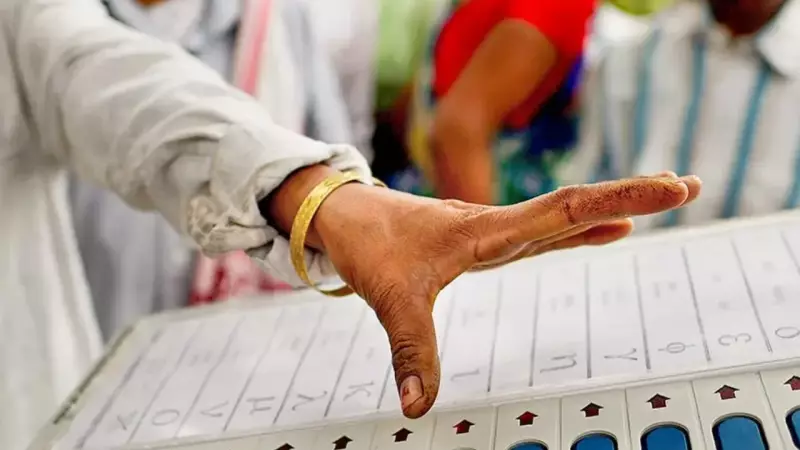
According to prescribed procedure, votes recorded on the machines are counted by connecting the control unit with the ballot unit. This standard method has been followed in previous elections.
Officials have introduced an additional safeguard for this election cycle. If technical difficulties arise during counting even after the two units are connected, Printing Auxiliary Display Units will be deployed to complete the process.
These PADUs will make their debut in Mumbai's civic polls as a backup system to ensure vote counting continues smoothly in case of EVM glitches. A total of 140 PADUs, supplied by Bharat Electronics Limited, have been received and will remain with returning officers strictly for emergency use.
Broader Implications for Democratic Process
The controversy highlights growing tensions between administrative convenience and political transparency. Candidates across party lines seem united in their concern that phased counting might affect public perception and confidence in the electoral process.
Many argue that simultaneous counting allows for a more comprehensive understanding of voter sentiment across the city. They believe it provides a clearer picture of emerging political trends as results pour in from different neighborhoods simultaneously.
The administration maintains that phased counting represents a logistical decision aimed at ensuring accuracy and proper supervision. However, political contenders continue to question whether this approach serves the best interests of democratic transparency.
As Mumbai prepares for this important civic election, the debate over counting methodology adds another layer of complexity to an already closely watched political contest.