

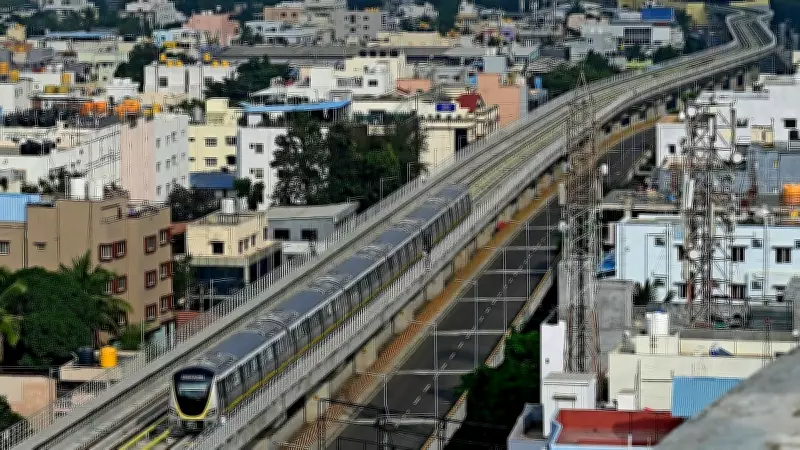
BMTC Enhances Bengaluru Metro Connectivity with New Feeder Bus Service
The Bengaluru Metropolitan Transport Corporation (BMTC) has taken a significant step to improve urban mobility by launching eight new feeder buses. This initiative is specifically designed to serve three metro stations on the Yellow Line in Bengaluru, aiming to provide seamless last-mile connectivity for daily commuters.
Targeted Stations and Operational Details
The feeder buses will operate from Nagasandra, Dasarahalli, and Jalahalli metro stations, which are crucial nodes on the Yellow Line of the Namma Metro network. These stations serve densely populated residential and commercial areas, where access to public transport has been a persistent challenge for many residents.
Each of the eight buses is equipped with modern amenities, including GPS tracking and digital display systems, to ensure efficient service and real-time updates for passengers. The buses will run at frequent intervals during peak hours, with schedules aligned to metro train timings to minimize waiting times and enhance overall travel convenience.

Impact on Commuter Experience and Urban Mobility
This new feeder service is expected to significantly reduce reliance on private vehicles and auto-rickshaws for last-mile travel, thereby decreasing traffic congestion and lowering carbon emissions in the city. By bridging the gap between metro stations and final destinations, BMTC aims to make public transport a more attractive and viable option for Bengaluru's growing population.
Commuters have long expressed the need for better integration between different modes of transport, and this move addresses a critical gap in the city's transit ecosystem. The initiative is part of a broader strategy by BMTC and the Bangalore Metro Rail Corporation Limited (BMRCL) to create a more cohesive and efficient public transportation network.
Future Plans and Broader Implications
BMTC officials have indicated that the success of this pilot project could lead to the expansion of feeder bus services to other metro lines and stations across Bengaluru. This aligns with the city's long-term vision of promoting sustainable urban development and reducing its environmental footprint through improved public infrastructure.
The launch of these feeder buses also supports the Karnataka government's efforts to enhance urban livability and economic productivity by making daily commutes faster, safer, and more reliable. As Bengaluru continues to grapple with traffic woes, such integrated transport solutions are crucial for fostering a more connected and resilient metropolitan area.






