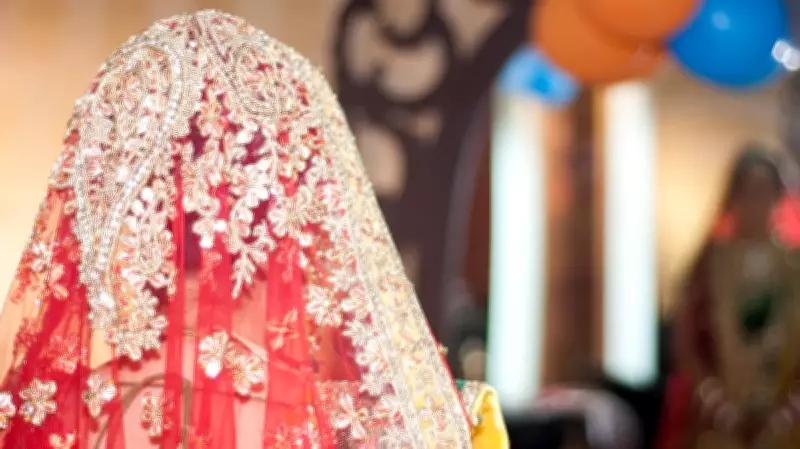
A wedding ceremony in Uttar Pradesh took a dramatic turn when the bride refused to recognise the groom, sparking a violent clash between the two families. The incident occurred in the district of Etah, where the groom and his family arrived for the wedding, only to be met with unexpected resistance.
Bride's Refusal Triggers Chaos
According to reports, the bride, who was brought to the wedding venue, allegedly stated that she did not know the groom and refused to proceed with the marriage. This led to heated arguments between the families, which quickly escalated into a physical altercation. Guests and family members were seen pushing and shoving each other, with some even throwing objects.
Police Intervention
Local authorities were alerted to the disturbance and arrived at the scene to control the situation. Police officials managed to separate the warring groups and took several individuals into custody for questioning. The groom and his family were escorted away to ensure their safety, while the bride was taken to a nearby police station for her protection.

Possible Reasons
While the exact reason behind the bride's refusal remains unclear, preliminary investigations suggest that the bride may have been coerced into the marriage or that there was a case of mistaken identity. Some reports indicate that the bride had never met the groom before the wedding day, which is not uncommon in arranged marriages in rural India. However, her outright denial of recognising him points to deeper issues.
Local residents expressed shock at the incident, noting that such public disputes are rare in the community. The police have registered a case and are conducting further inquiries to determine the facts of the matter.
Legal Implications
Under Indian law, forced marriages are illegal, and the refusal of a bride to consent to a wedding can have legal consequences for the families involved. The authorities are examining whether any coercion or fraud was involved in arranging the marriage. The bride's statement will be crucial in deciding the course of action.
The incident highlights the challenges faced in some traditional marriage practices, where consent and familiarity are sometimes overlooked. It also underscores the importance of ensuring that all parties willingly participate in such life-changing events.