In a landmark administrative reform, the Chhattisgarh government has put an end to the long-standing practice of offering ceremonial Guard of Honour to its ministers and senior police officers during their routine visits and inspections. This decisive move, believed to be a first among Indian states, is aimed at optimizing police resources and shedding colonial-era protocols.
The Official Order and Its Immediate Effect
The state's Home department formalized this change through an order issued on December 19, 2025. The directive came into force immediately. The order explicitly states that the existing system of ceremonial salutes has been reviewed and amended. The primary goal is to enhance the functional deployment of police personnel and move away from practices rooted in the colonial administrative framework.
As per the revised guidelines, no Guard of Honour will now be extended to the Home Minister, other members of the council of ministers, the Director General of Police (DGP), or any other senior police officers during their routine arrivals, departures, inspections, or district-level tours within Chhattisgarh.

What Stays and What Changes
The government was quick to clarify that this reform is specific to routine administrative movements. The traditional Guard of Honour arrangements will continue unabated for national and state-level ceremonial occasions.
The order lists the following events where formal honours will persist:
- Republic Day (January 26)
- Independence Day (August 15)
- Police Martyrs' Memorial Day (October 21)
- National Unity Day (October 31)
- Official state functions
- Police passing-out parades
Furthermore, the protocol for constitutional authorities and distinguished guests remains unchanged, ensuring due respect is maintained for high-office holders and visitors.
Behind the Reform: A Shift in Policing Priorities
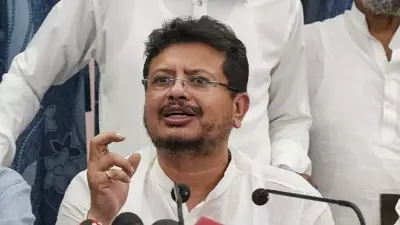
This significant police reform was initiated at the behest of Deputy Chief Minister Vijay Sharma, who also holds the Home portfolio. Sharma directed officials to critically reassess the relevance of the Guard of Honour tradition in the context of modern-day policing and governance needs.
The subsequent review by the Home department concluded that the practice often tied up personnel in what it termed 'unnecessary formalities'. The amended rules are designed to free police officers and personnel from these ceremonial duties, allowing for their optimal deployment in core areas like maintaining law and order, ensuring public safety, and other essential services.
This move is seen as a pragmatic step to make administration more efficient and police work more focused on substantive ground-level responsibilities, rather than ceremonial symbolism during routine tours.