

Coimbatore Village Upholds 35-Year Ban on Political Symbols to Foster Unity
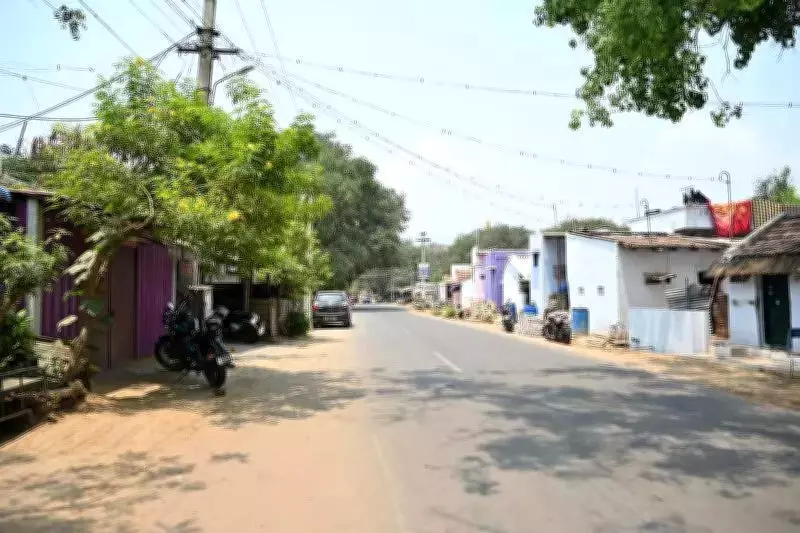
In a nation where political divisions frequently strain social bonds, the village of Kalappanaickenpalayam in Coimbatore district stands as a remarkable exception. For more than three decades, this quiet community has rigorously enforced a self-imposed mandate prohibiting all political visibility within its boundaries. No flags, wall posters, or towering banners are permitted, creating a symbol-free environment dedicated to preserving communal harmony.
The Historical Turning Point That Sparked Change
This extraordinary tradition did not emerge from opposition to democracy but from a profound need for peace. The pivotal moment occurred in 1991 following the assassination of former Prime Minister Rajiv Gandhi. As shockwaves reverberated across India, Kalappanaickenpalayam experienced its own turmoil when ideological clashes erupted, resulting in the destruction of a local political party office and the fracturing of lifelong friendships.
Witnessing their social fabric unravel, village elders made a radical pact to eliminate partisan aesthetics from their locality. Their goal was simple yet powerful: ensure that personal relationships always triumph over political affiliations. This decision marked the beginning of a 35-year commitment that continues to define the village's character.

How the Village Maintains Its Political Neutrality
Despite being home to a diverse electorate supporting various political parties—from established giants like DMK, AIADMK, BJP, and Congress to newcomers like TVK—residents keep their loyalties strictly private. The community maintains several key practices:
- Zero Tolerance for Political Symbols: No party symbols are allowed in open spaces. If an outsider attempts to paste a political poster, residents promptly remove it and politely educate the individual about village customs.
- No Internal Campaigning: Villagers refrain from active political campaigning within their own streets to prevent friction and maintain neighborly relations.
- Collective Enforcement: The entire community participates in upholding these rules, demonstrating shared responsibility for their harmonious environment.
Community Voices and Expanding Influence
P Premkumar, a resident of nearby Somayampalayam—which has begun adopting similar practices—explains, "We might differ on ideologies, but we are either friends or relatives first. This practice keeps political and social harmony alive." The village's commitment was tested about a decade ago when a dispute arose over installing flagpoles. Rather than allowing the argument to escalate, the community reinforced its ban, strengthening the symbol-free environment.
P Ramalingam, a former panchayat president, notes that despite having approximately 20,000 voters, discipline remains unshaken. "Everyone has their own right to vote and follow any party they wish. However, they do not show it off in public. This practice helps us avoid issues over different political stances," he emphasizes.
A Lasting Legacy of Respect and Unity
As Kalappanaickenpalayam marks 35 years of this unique pact, it serves as a poignant reminder that while politics is an inevitable part of life, it doesn't have to define a community. Here, the absence of flags has become the ultimate symbol of profound, collective respect. The village demonstrates how deliberate choices can foster enduring peace, offering valuable lessons for other communities navigating political polarization.
This Coimbatore village continues to inspire neighboring areas, proving that harmony can flourish when communities prioritize human connections over partisan divisions.






