The Indian National Congress in Maharashtra has initiated a significant political move, seeking the disqualification of twelve councillors from the Ambernath Municipal Council who recently switched allegiance to the Bharatiya Janata Party (BJP). This action sets the stage for a fresh legal and political battle in the state.
The Core Allegation: Violation of Constitutional Provisions
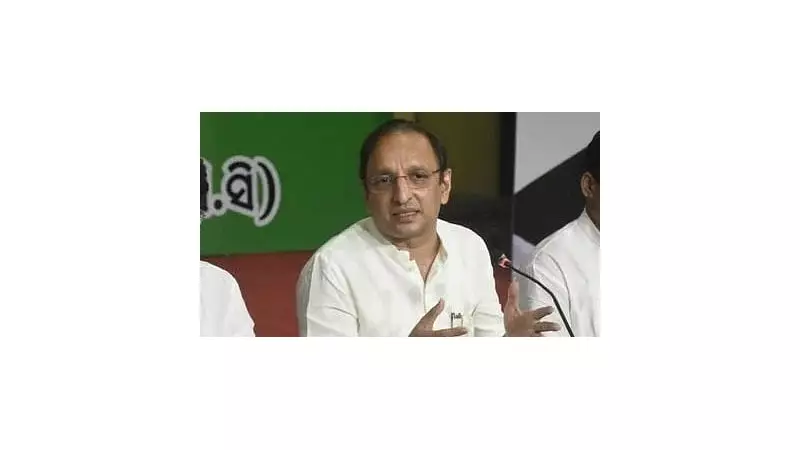
Congress spokesperson Sachin Sawant has been vocal in his criticism of the defecting councillors. He asserts that these elected representatives have blatantly violated constitutional provisions by defecting after being elected on the Congress party's symbol. The move is seen as a direct challenge to the anti-defection law, which is designed to prevent such political horse-trading and maintain the sanctity of the electoral mandate given by the public.
Details of the Defection and Political Repercussions
The defection of the twelve councillors, which reportedly occurred just before the news broke on 08 January 2026, represents a substantial shift in the local body's equations. Ambernath, a city in the Thane district, now finds itself at the centre of a political storm. The Congress party's decision to pursue disqualification is not merely symbolic; it is a strategic step to reclaim its lost ground and hold the defectors accountable. If successful, the disqualifications could alter the balance of power within the municipal council, potentially triggering by-elections or a realignment of political forces.

Legal Avenues and Future Implications
The party's next course of action will involve formally petitioning the relevant authorities, likely the Speaker or the competent authority under the Maharashtra Municipal Councils Act, to unseat the councillors. The case hinges on proving that the defection was a voluntary act of giving up party membership, which is a disqualifying ground under the Tenth Schedule of the Constitution. This incident in Ambernath is being closely watched as it reflects a broader pattern of political defections across India and tests the robustness of anti-defection laws at the grassroots level of governance.
The outcome will have immediate consequences for the administration of Ambernath and could set a precedent for how similar cases are handled in other municipal bodies across Maharashtra. It underscores the ongoing tussle between major political parties to consolidate power, even at the local level, and highlights the continuing relevance of defection laws in Indian politics.