

Kerala CPI(M) Grapples with Internal Rebellion in Kannur Ahead of 2026 Assembly Elections
The Communist Party of India (Marxist), a dominant political force in Kerala, is facing a significant internal challenge in its traditional stronghold of Kannur district as the state gears up for the crucial 2026 Assembly elections. This development underscores the deepening fissures within the party's ranks, potentially impacting its electoral strategy and unity in a key region.
Rebel Candidate Emerges in Taliparambu Constituency
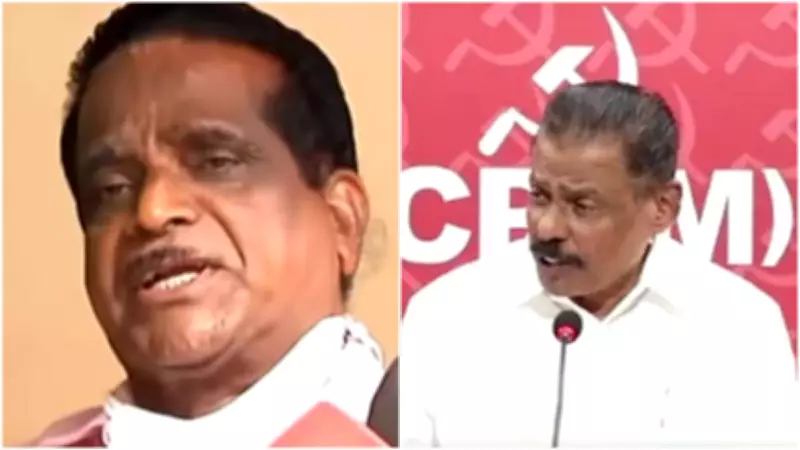
In a surprising turn of events, T K Govindan, a well-known and influential local leader of the CPI(M), has decided to contest as a rebel candidate against the party's official nominee, P K Shayamala, in the Taliparambu constituency. Shayamala is the wife of M V Govindan, the powerful state secretary of the CPI(M), adding a layer of political intrigue and personal dynamics to this internal conflict.
This rebellion highlights the growing discontent among certain factions within the party, particularly in areas where local leaders feel sidelined or overlooked in candidate selection processes. The decision by T K Govindan to challenge the party's choice signals a bold defiance that could resonate with other disgruntled members across Kerala.

Implications for the 2026 Kerala Assembly Elections
The internal strife in Kannur, often referred to as the citadel of the CPI(M) due to its historical support base, poses a serious threat to the party's cohesion and electoral prospects. With the 2026 Kerala Assembly elections approaching, such rebellions can:
- Divide the party's vote share, potentially benefiting rival political parties in closely contested seats.
- Undermine the CPI(M)'s image of discipline and unity, which has been a cornerstone of its political appeal in the state.
- Trigger similar incidents in other constituencies, as local leaders may feel emboldened to challenge central party decisions.
Political analysts suggest that this rebellion could be a symptom of broader issues within the CPI(M), including factionalism and leadership disputes, which may need urgent addressing to prevent further erosion of support.
Background and Context of the Conflict
Kannur district has long been a bastion of leftist politics in Kerala, with the CPI(M) enjoying deep-rooted support from various social segments. However, recent years have seen occasional internal tensions, often related to candidate selection and local power dynamics. The case of T K Govindan versus P K Shayamala exemplifies how personal and political loyalties can clash, especially when family connections are involved in party hierarchies.
As the election season intensifies, the CPI(M) leadership will likely engage in damage control measures, such as negotiations or disciplinary actions, to mitigate the impact of this rebellion. The outcome in Taliparambu could serve as a bellwether for the party's internal health and its ability to maintain unity in the face of electoral pressures.
In conclusion, the rebel challenge in Kannur marks a critical juncture for the CPI(M) as it prepares for the 2026 Kerala Assembly elections. How the party navigates this internal dissent will not only affect its performance in Taliparambu but could also influence its broader electoral strategy and future political trajectory in the state.






