

Dakshina Kannada Youth Show Apathy Towards Police Constable Positions
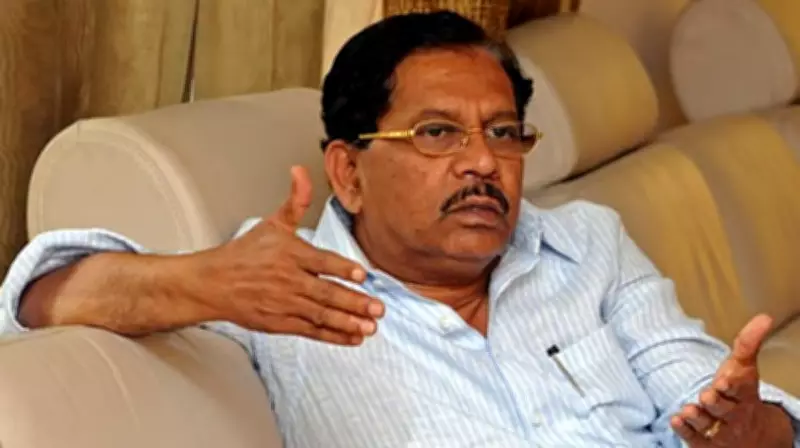
Former Karnataka Home Minister G Parameshwara has raised concerns over the declining interest among youth from the Dakshina Kannada district in applying for police constable posts. Speaking at a recent event, he pointed out that despite government efforts to fill vacancies, the response from this coastal region has been notably tepid.
Factors Behind the Lack of Enthusiasm
Parameshwara attributed this trend to several key factors. Firstly, he noted that many young people in Dakshina Kannada are opting for better-paying opportunities in the private sector, both within India and abroad. The district, known for its educational institutions and economic activity, offers numerous alternatives that often surpass the benefits of government jobs.
Additionally, he highlighted the issue of migration, with a significant number of youth moving to other states or countries in search of employment. This exodus has reduced the local pool of applicants for such positions, further exacerbating the recruitment challenges faced by the police department.

Government Recruitment Efforts and Challenges
The Karnataka government has been actively conducting recruitment drives to fill police constable vacancies across the state. However, the response from Dakshina Kannada has been consistently low, raising questions about the attractiveness of these roles in certain regions. Parameshwara emphasized that this is not an isolated issue but part of a broader pattern affecting government job applications in areas with robust private sector growth.
He also mentioned that the perceived risks and demands associated with police work might be deterring potential candidates. In contrast, jobs in sectors like IT, healthcare, and education are seen as more stable and lucrative, drawing away talent from traditional government roles.
Implications for Law Enforcement and Policy
This trend could have significant implications for law enforcement in Karnataka. A shortage of local recruits in districts like Dakshina Kannada might lead to staffing gaps, affecting police efficiency and community policing efforts. Parameshwara called for a reevaluation of recruitment strategies, suggesting that the government needs to make these positions more appealing through better incentives, training programs, and awareness campaigns.
Moreover, he urged policymakers to consider regional disparities when planning job creation and recruitment initiatives. Understanding the specific socio-economic dynamics of areas like Dakshina Kannada is crucial for designing effective solutions that address youth employment needs while meeting public service requirements.
Broader Context of Youth Employment in Karnataka
The situation in Dakshina Kannada reflects larger trends in youth employment across Karnataka. As the state's economy diversifies, traditional government jobs are facing competition from emerging sectors. This shift is particularly evident in districts with high educational attainment and economic development, where youth have more options to choose from.
Parameshwara's remarks underscore the need for a balanced approach to job creation, one that leverages the strengths of both the public and private sectors. By fostering collaboration and innovation, Karnataka can better align its employment opportunities with the aspirations of its young population, ensuring sustainable growth and social stability.






