Dalit Candidate from MIM Elected as BMC Opposition Group Leader in Mumbai
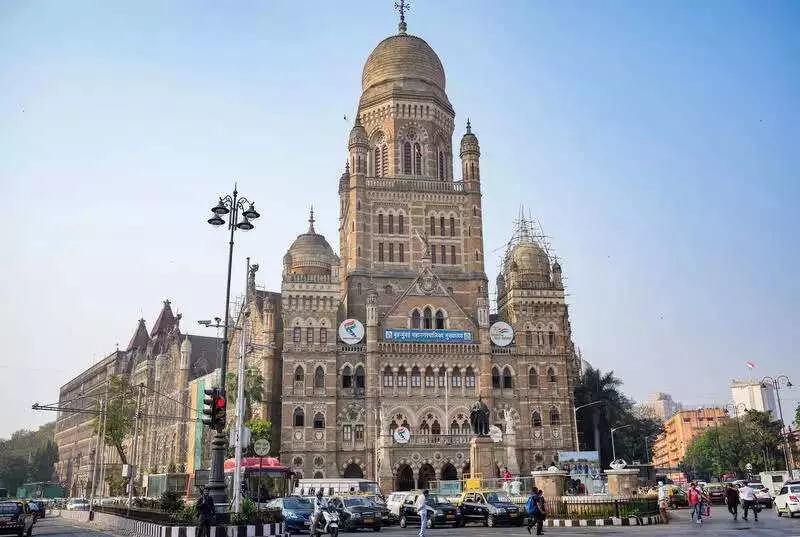
In a landmark political event in Mumbai, a Dalit representative from the All India Majlis-e-Ittehadul Muslimeen (MIM) has been elected as the group leader of the opposition in the Brihanmumbai Municipal Corporation (BMC). This election signifies a pivotal moment for diversity and inclusion in the city's governance, highlighting the growing influence of minority communities in local politics.
Historic Achievement for Dalit Representation
The election of a Dalit leader to this key position within the BMC opposition is being celebrated as a historic achievement. It underscores the increasing political empowerment of Dalit communities in urban centers like Mumbai, where representation has often been limited. This move is expected to bring fresh perspectives and address the unique challenges faced by marginalized groups in municipal affairs.
MIM's Strategic Political Move
The All India Majlis-e-Ittehadul Muslimeen (MIM), known for its focus on Muslim issues, has made a strategic expansion by fielding and supporting a Dalit candidate for this role. This decision reflects the party's efforts to build broader coalitions and appeal to a wider electorate beyond its traditional base. Analysts view this as a smart political maneuver to strengthen MIM's presence in Mumbai's competitive political landscape.

The election process was conducted smoothly, with the Dalit candidate securing the necessary votes from opposition members in the BMC. This outcome not only boosts MIM's credibility but also sets a precedent for other parties to prioritize inclusive leadership.
Implications for Mumbai's Governance
As the group leader of the opposition in the BMC, the newly elected Dalit leader will play a crucial role in shaping policies, scrutinizing the ruling party's decisions, and advocating for the interests of underrepresented communities. This position holds significant influence over municipal budgets, infrastructure projects, and public services in Mumbai.
Experts believe that this development could lead to more equitable governance, with a greater focus on issues such as housing, sanitation, and education for Dalit and other minority populations. It may also inspire similar political shifts in other Indian cities, promoting diversity in local bodies nationwide.
Broader Context and Reactions
The election has garnered positive reactions from various quarters, including civil society groups and political observers, who see it as a step towards more inclusive democracy. However, some critics have raised questions about the long-term impact and whether it will translate into tangible benefits for Dalit communities.
Looking ahead, the Dalit leader's performance in the BMC will be closely watched, as it could influence future electoral strategies and coalition-building efforts in Mumbai and beyond. This event marks a notable chapter in the city's political history, emphasizing the importance of representation in fostering a just and progressive society.