

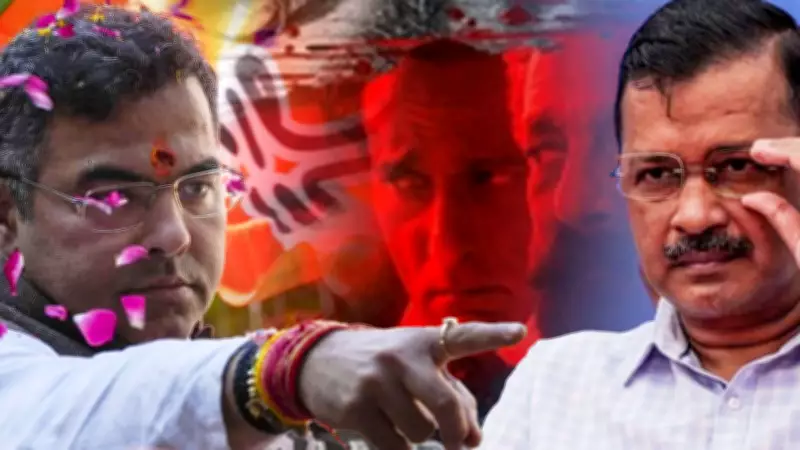
Delhi Assembly Budget Session Descends into Political Firestorm Over 'Rehman Dakait' Remark
The Delhi Assembly witnessed a dramatic and contentious exchange on March 25, 2026, as BJP leader and Deputy Chief Minister Parvesh Verma launched a sharp verbal attack on Chief Minister Arvind Kejriwal, referring to him as "Rehman Dakait." This controversial comment, made during the ongoing budget session, has ignited a fierce political row, highlighting the escalating rhetoric in Delhi's polarized political landscape.
Verma's Allegations and the 'Sheesh Mahal' Context
Speaking in the assembly, Verma accused the Aam Aadmi Party (AAP) leadership of financial excesses and questionable governance decisions. He specifically referenced the long-standing "Sheesh Mahal" debate, which centers on allegations of extravagant spending by the Delhi government, to bolster his claims. Verma's remarks were not merely casual jabs but were framed as a pointed critique of past administrative actions, suggesting a pattern of mismanagement under Kejriwal's tenure.
AAP's Swift and Forceful Rebuttal
The AAP responded immediately and vehemently to Verma's comments, dismissing them as an attempt to sensationalize the assembly proceedings and divert attention from substantive policy discussions. Party members argued that such language undermines the dignity of legislative debates and shifts the focus from governance to personal attacks. This pushback underscores the deepening animosity between the two major political forces in Delhi, with each side digging in to defend its narrative.

Broader Implications for Delhi Politics and Governance
This incident reflects a troubling trend in Indian politics, where headline-driven statements increasingly dominate public discourse at the expense of in-depth policy debates. The exchange in the Delhi Assembly exemplifies how political messaging is becoming more aggressive, particularly in high-stakes environments like legislative sessions. As both the BJP and AAP double down on their positions, the conversation is shifting from practical governance questions to perception battles, potentially hindering collaborative efforts on critical issues facing the capital.
Key aspects of this political clash include:
- Escalating Rhetoric: The use of provocative terms like "Rehman Dakait" signals a new low in political discourse, raising concerns about decorum in democratic institutions.
- Financial Governance Focus: Verma's allegations tie into ongoing debates about fiscal responsibility, with the "Sheesh Mahal" issue serving as a flashpoint for broader criticisms of AAP's spending.
- Polarization Dynamics: The incident highlights the highly polarized nature of Delhi's politics, where even routine assembly sessions can erupt into heated confrontations.
- Media and Public Perception: Such exchanges often garner significant media attention, shaping public opinion and potentially influencing voter sentiment in future elections.
For Delhi, this moment is more than just a political spat; it represents a broader challenge to maintaining substantive dialogue in an era of increasing polarization. As governance questions compete with sensational headlines, the need for constructive debate becomes ever more urgent to address the city's pressing needs effectively.






