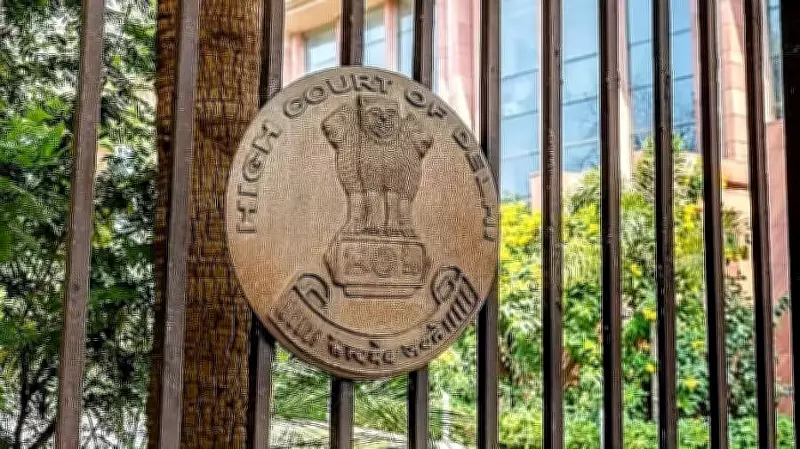
The Delhi High Court on Thursday rejected a plea filed by activist Devangana Kalita, an accused in the 2020 Delhi riots conspiracy case, seeking access to videos and WhatsApp chats that the prosecution intends to rely upon. However, the court permitted her to inspect the unrelied documents in the larger conspiracy case.
Court's Decision on Evidence Access
Justice Anup Jairam Bhambhani dismissed Kalita's application that sought copies of CCTV footage, video recordings, and WhatsApp chats claimed to be part of the evidence. The court observed that the right to inspection of documents under the Code of Criminal Procedure does not extend to the right to receive copies of all materials collected during investigation. The judge noted that the prosecution had already provided Kalita with the charge sheet and other relied-upon documents, and additional access to unrelied documents would suffice for a fair trial.
Separate Petition Allowed
In a separate petition, the court allowed Kalita to inspect the unrelied documents, which include statements of witnesses not cited in the charge sheet and other materials not forming part of the prosecution's case. The court directed the trial court to facilitate the inspection within two weeks. Kalita's counsel argued that access to these documents was necessary for preparing her defense, as they might contain exculpatory evidence.

Background of the Case
Devangana Kalita is a student activist arrested in connection with the larger conspiracy behind the February 2020 communal riots in Northeast Delhi, which left over 50 people dead and hundreds injured. She is currently out on bail. The prosecution alleges that Kalita, along with other activists, conspired to incite violence during the protests against the Citizenship Amendment Act (CAA). Kalita has denied the charges, claiming that the case is politically motivated.
Legal Implications
Legal experts view the High Court's ruling as significant in defining the scope of an accused's right to access investigation materials. While the court emphasized that the right to a fair trial does not mandate unrestricted access to all prosecution documents, the permission to inspect unrelied documents ensures some level of transparency. The case continues to be closely watched, as it involves multiple accused and raises questions about the use of digital evidence in conspiracy cases.