

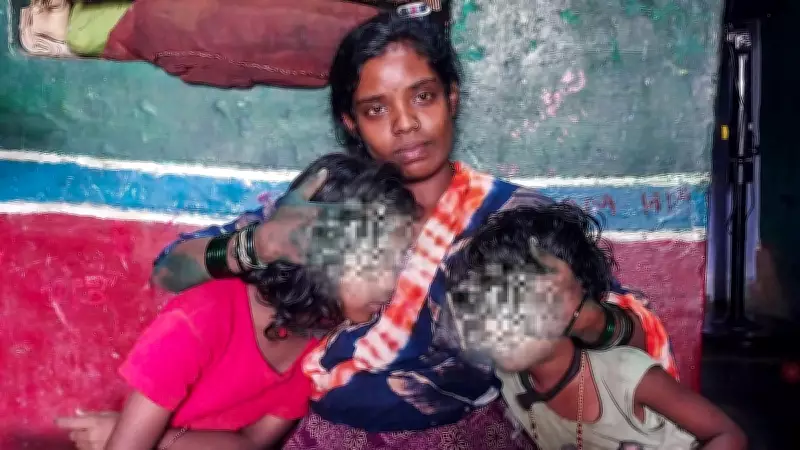
The Unseen Burden of Devadasi Women in Karnataka
In the state of Karnataka, a hidden crisis persists among Devadasi women, who endure profound social and economic burdens largely alone. These women, often from marginalized communities, face a life of isolation and hardship, with little support from society or government systems.
Social Isolation and Economic Hardship
Devadasi women in Karnataka are frequently ostracized from their communities, leading to severe social isolation. Many live in remote villages, cut off from mainstream society, which exacerbates their struggles. This isolation is compounded by economic deprivation, as most Devadasi women lack stable employment opportunities and rely on menial jobs or begging for survival.
Poverty is a rampant issue, with many Devadasi households living below the poverty line. They often lack access to basic amenities such as clean water, sanitation, and healthcare, further deteriorating their quality of life. The absence of financial security forces these women into a cycle of debt and dependency, making it difficult to break free from their circumstances.

Lack of Support Systems
Despite laws and policies aimed at abolishing the Devadasi system, implementation remains weak, leaving many women without adequate support. Government schemes intended for their rehabilitation often fail to reach the grassroots level, due to bureaucratic hurdles and lack of awareness.
Non-governmental organizations (NGOs) and activists have stepped in to provide some assistance, but their efforts are limited by funding constraints and the vast scale of the problem. Key challenges include:
- Insufficient educational opportunities for Devadasi children, perpetuating intergenerational poverty.
- Limited access to healthcare services, leading to untreated illnesses and high mortality rates.
- Social stigma that prevents integration into mainstream society, hindering employment and social mobility.
Struggles for Survival and Dignity
Devadasi women in Karnataka not only battle economic hardships but also fight for basic human dignity. Many report facing discrimination in public spaces, such as markets and hospitals, where they are often denied services or treated with contempt. This societal rejection deepens their sense of alienation and hopelessness.
Efforts to empower these women through skill development and microfinance programs have shown some promise, but progress is slow. Without comprehensive interventions that address both social and economic aspects, the burden on Devadasi women is likely to persist, leaving them to endure their plight alone.






