

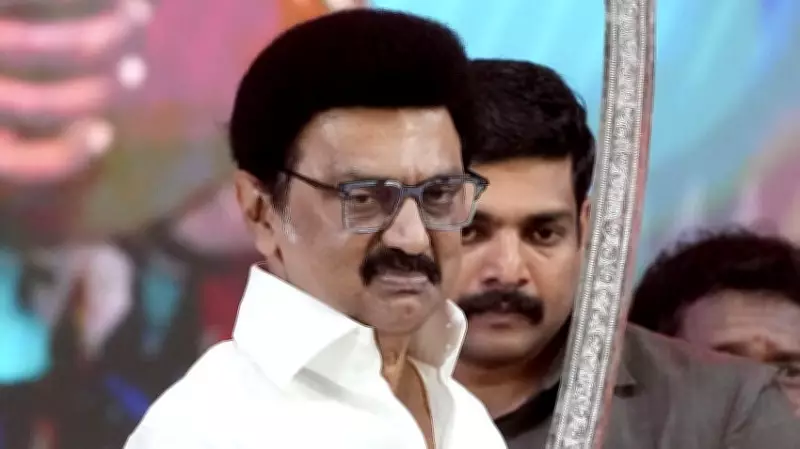
DMK Announces Seat-Sharing Committee Following Congress Nudge
In a significant political development, the Dravida Munnetra Kazhagam (DMK) has officially announced the formation of a dedicated seat-sharing committee to conduct negotiations with its alliance partners. This announcement, made late on Tuesday, February 11, 2026, comes directly in response to mounting pressure from the Indian National Congress, which had publicly asserted that it had initiated talks with the DMK but received no reciprocal action to advance the discussions.
Congress Assertion Triggers DMK Response
The Congress party had recently highlighted that while it had taken the first step in reaching out to the DMK for crucial seat-sharing talks ahead of upcoming elections, the DMK leadership had not yet established any formal mechanism or taken concrete steps from its side to commence the negotiation process. This public statement by the Congress served as a clear nudge, emphasizing the urgency of alliance coordination in Tamil Nadu's volatile political landscape.
The formation of this committee is widely seen as a strategic move by the DMK to address these concerns and demonstrate its commitment to coalition politics. By creating a structured forum for dialogue, the DMK aims to streamline discussions on candidate distribution, electoral strategy, and resource allocation among allied parties, thereby strengthening the opposition front against rival political forces.

Implications for Tamil Nadu Politics
This development holds considerable weight for the political dynamics in Tamil Nadu, where alliance arithmetic often plays a decisive role in election outcomes. The DMK, led by Chief Minister M.K. Stalin, is positioning itself to consolidate its partnership with the Congress and other smaller regional parties. The timely establishment of the seat-sharing committee is expected to foster greater transparency and efficiency in negotiations, potentially preventing last-minute disputes that could undermine the alliance's electoral prospects.
Political analysts note that the Congress's proactive stance reflects its eagerness to secure a favorable seat arrangement, given its historical reliance on the DMK for electoral success in the state. Meanwhile, the DMK's response underscores its recognition of the need for collaborative planning to present a united front, especially in a highly competitive environment where every seat counts.
Next Steps in Alliance Building
With the committee now in place, the focus shifts to the actual negotiation process. Key points on the agenda are likely to include:
- Determining the number of seats to be allocated to the Congress and other allies.
- Identifying winnable constituencies for each party based on ground-level assessments.
- Coordinating campaign strategies and resource sharing to maximize impact.
- Setting timelines for finalizing agreements to allow sufficient preparation time.
The outcome of these talks will be closely monitored, as it could set the tone for opposition unity not only in Tamil Nadu but also influence broader national political alignments. As both parties navigate this critical phase, the effectiveness of the newly formed committee will be a key factor in shaping the future of their alliance and, by extension, the political trajectory of the region.






