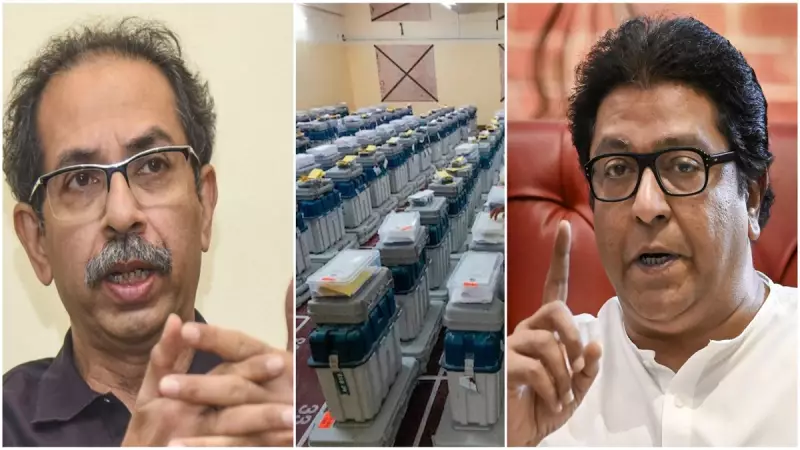
EC Approves PADU as Backup System for Maharashtra Municipal Polls
The Election Commission of India has given its approval for the use of PADU as a backup mechanism during the upcoming municipal corporation elections in Maharashtra, scheduled for 2026. This decision aims to address potential technical glitches that could arise during the vote-counting process, ensuring a smoother electoral operation.
Thackeray Faction Raises Strong Objections
However, this move has not been welcomed by all political stakeholders. The Thackeray family, a prominent force in Maharashtra politics, has voiced significant objections to the implementation of PADU as a fallback option. They argue that the system lacks transparency and could compromise the integrity of the election results.
Their concerns center on the reliability and security of PADU, with fears that it might be susceptible to manipulation or errors. This opposition highlights the ongoing tensions and debates surrounding electoral processes in the state, as parties jockey for position ahead of the crucial 2026 polls.

Background on the 2026 Municipal Elections
The municipal corporation elections in Maharashtra are a key political event, determining local governance across numerous cities and towns. With the 2026 elections on the horizon, preparations are in full swing, including technological upgrades to handle the massive scale of voting and counting.
The Election Commission's decision to allow PADU as a backup is part of these preparations, intended to mitigate risks associated with electronic voting machines or other counting technologies. Officials emphasize that PADU will only be used in case of emergencies, such as system failures, to prevent delays and ensure timely results.
Implications for Electoral Transparency
The objections raised by the Thackerays underscore broader issues of trust and accountability in India's electoral system. As technology plays an increasingly central role in elections, ensuring its fairness and security becomes paramount. This controversy may lead to further discussions and potential modifications to the backup plan before the 2026 elections.
Stakeholders are calling for more detailed explanations from the Election Commission regarding how PADU will function and what safeguards will be in place. The outcome of this debate could influence not only the Maharashtra municipal polls but also future elections across the country, as similar technologies are considered elsewhere.
In summary, while the Election Commission moves forward with its backup strategy, political resistance from the Thackeray faction adds a layer of complexity to the pre-election landscape in Maharashtra. All eyes will be on how these issues are resolved in the lead-up to 2026.