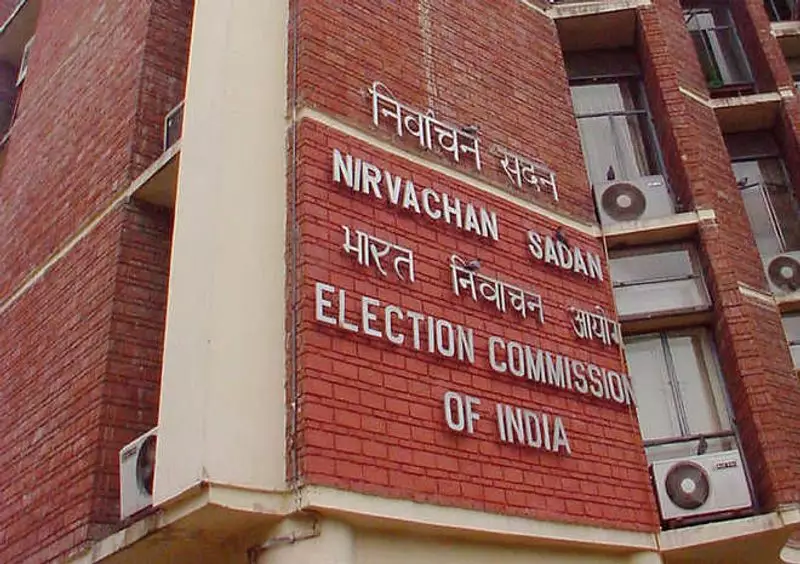
The Election Commission of India has taken serious note of law and order concerns during the Tarn Taran assembly bypoll, directing Punjab's top police official to personally review all cases registered during the election period.
EC's Directive to Punjab Police Chief
In a significant development, Chief Electoral Officer Sibin C has confirmed that the Election Commission has formally asked Punjab Director General of Police (DGP) Gaurav Yadav to conduct a comprehensive review of all First Information Reports (FIRs) filed during the model code of conduct period for the Tarn Taran by-election.
The directive comes amid growing concerns about police conduct and the registration of cases during the sensitive election period. The CEO emphasized that the DGP has been instructed to examine each case thoroughly and ensure appropriate action is taken based on the findings.

Background and Timing
The Election Commission's intervention follows multiple complaints regarding law enforcement actions during the bypoll campaign. The Tarn Taran assembly constituency witnessed intense political activity leading up to the election, with various parties leveling allegations against each other and raising questions about police impartiality.
While the exact number of FIRs under review hasn't been officially disclosed, sources indicate that several cases were registered across different police stations in the constituency during the election code period. The review aims to identify any instances of misuse of power or inappropriate registration of cases that might have influenced the electoral process.
Broader Implications for Election Integrity
This move by the Election Commission underscores its commitment to ensuring free and fair elections in Punjab. By asking the state's highest police official to personally oversee the review, the EC has demonstrated the seriousness with which it views these allegations.
The development assumes greater significance given Punjab's political landscape and the importance of maintaining public trust in electoral institutions. The review outcome could potentially lead to disciplinary action against officials found to have acted inappropriately during the election period.
Political parties and candidates from various factions had earlier raised concerns about potential bias in police functioning during the bypoll. The EC's directive appears to be a direct response to these complaints, aiming to address grievances and maintain the credibility of the electoral process.
The Punjab Police department now faces increased scrutiny as it complies with the Election Commission's directive. The DGP's office is expected to complete the review promptly and submit its findings to the election authorities for further action.