The political landscape in West Bengal has been jolted by a significant legal escalation following raids by the Enforcement Directorate (ED). The central agency has now approached the Supreme Court of India, alleging direct interference by Chief Minister Mamata Banerjee in its investigative operations. The case, which has sparked a major confrontation between the state and central authorities, revolves around searches conducted at the offices of I-PAC (Indian Political Action Committee), the prominent election consultancy working with the ruling Trinamool Congress (TMC).
Legal Battle Reaches the Apex Court
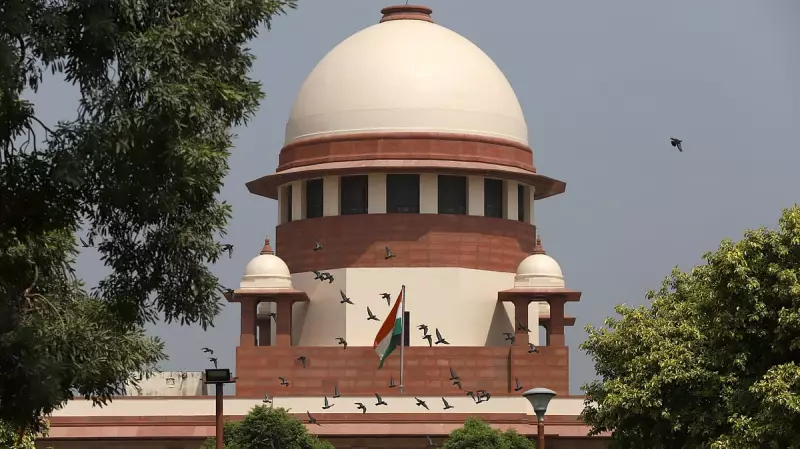
In a dramatic move, the Enforcement Directorate filed a petition in the Supreme Court on 11 January 2026. The agency's core allegation is that Chief Minister Mamata Banerjee unlawfully intervened in the execution of its search operations against I-PAC. The ED contends that such actions by the state's highest executive obstruct a lawful investigation being carried out under the provisions of the Prevention of Money Laundering Act (PMLA).
Anticipating legal action, the West Bengal government has proactively filed a caveat in the Supreme Court. This legal maneuver ensures that the state is notified before any order is passed on the ED's plea, allowing it to present its side of the story. This step underscores the state's preparation for a fierce legal and political duel at the highest judicial level.

TMC's Allegation of Political Motive
The Trinamool Congress has launched a robust counter-offensive against the ED's actions. Party leaders have vehemently alleged that the raids on I-PAC were not a genuine probe into financial irregularities but a politically motivated exercise with a very specific goal. According to the TMC, the central agency's true objective was to access and seize confidential election strategy material belonging to the party.
I-PAC, founded by political strategist Prashant Kishor, is known for its data-driven campaign management and has been instrumental in designing the TMC's electoral strategies. The party asserts that the raids are an attempt by the central government to gain an unfair advantage by uncovering its planned campaign blueprints, poll analytics, and internal communications ahead of crucial electoral battles.
Implications and Escalating Confrontation
This development marks a severe escalation in the ongoing tussle between the BJP-led central government and the TMC-led state government in West Bengal. The case now sits at the intersection of law, politics, and federalism. Key questions being raised concern the limits of a central agency's powers in a non-BJP ruled state and the threshold for alleging obstruction by a sitting Chief Minister.
The Supreme Court's eventual decision will have far-reaching consequences. It could set a precedent for how similar high-profile investigations are conducted in politically sensitive environments. Furthermore, the controversy has already intensified the political rhetoric in the state, with both sides digging in for a prolonged conflict. The outcome will significantly influence the political narrative and operational freedom of both the ED and the state administration in the run-up to future elections.
As of now, the nation awaits the Supreme Court's response to the ED's petition and the West Bengal government's counter-arguments. The date of the hearing will set the stage for the next chapter in this gripping saga of power, law, and political strategy.