Former CPM Leader Applauds State Scheme, Questions Party's Internal Functioning
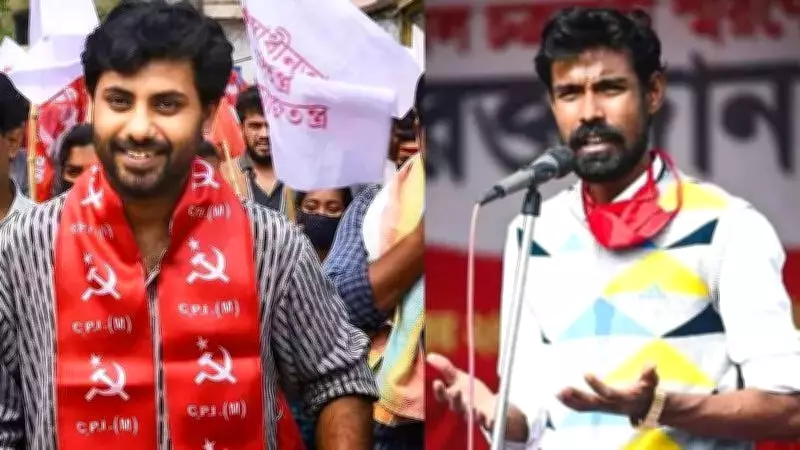
In a significant development that has stirred political circles in Kolkata, Pratik Ur Rahaman, a recently resigned member of the Communist Party of India (Marxist) state committee, publicly commended the West Bengal government's flagship Lakshmir Bhandar welfare scheme on Thursday. His endorsement has ignited widespread speculation regarding his potential political realignment and future trajectory.
Praise for Women's Empowerment Initiative
Rahaman articulated his support for the scheme, which provides financial assistance to women from economically disadvantaged backgrounds. He remarked, "The state government has implemented projects specifically designed for impoverished citizens. Initially, the Left Front dismissed such initiatives as mere alms. However, they eventually recognized that these programs genuinely empower women. Leftist parties came to understand that women perceive this support as their rightful entitlement. A rural mother experienced a restoration of her dignity through Lakshmir Bhandar. Consequently, the Left parties revised their political stance and ceased labeling it as charity."
Allegations of Internal Stifling and Favoritism
This praise follows Rahaman's candid admission on Wednesday, where he described himself as "standing at a crossroads" and expressed feeling "stifled within the party." He elaborated on his grievances, stating, "I inquired why Srijan Bhattacharya was excluded from the Bangla Banchao Jatra. I questioned why Md Salim held a meeting with Humayun Kabir. For the past two years, I have been deliberately sidelined. I observed clear dual preferences operating within the party."

Rahaman further accused State General Secretary Md Salim of operating within a restrictive "coterie," alleging that party workers who merely "parrot" the opinions of certain senior leaders are disproportionately favored. He contrasted the current leadership style with the past, noting, "I posed numerous critical questions during Surjya Kanta Mishra's tenure as state secretary. That environment has drastically changed. Presently, leaders resemble Gabbar Singh from the film Sholay, exhibiting no tolerance for free speech or dissent."
Defense Against Accusations and Broader Implications
Asserting that "thousands of party workers" share similar unheard concerns, Rahaman addressed allegations that he is engaging in a "setting" or clandestine arrangement with the ruling Trinamool Congress. He countered these claims by pointedly noting that "those who met Humayun Kabir are free to do so," indirectly referencing his earlier criticism of Md Salim's interactions.
This public critique from a former insider highlights deepening fissures within the CPM's state unit and raises pertinent questions about internal democracy and leadership accountability. Rahaman's vocal appreciation for a key state government scheme, juxtaposed with his severe indictment of his former party's internal culture, significantly fuels ongoing political speculation in West Bengal regarding potential shifts and realignments ahead of future electoral contests.