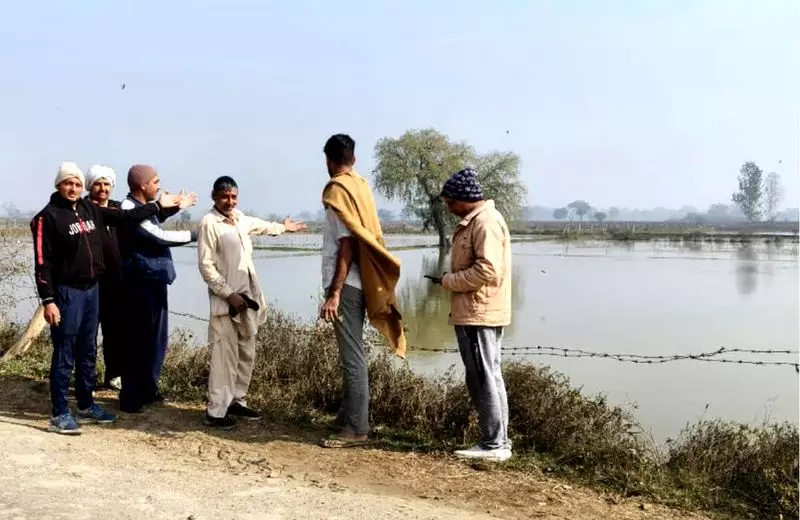
Farmers in Haryana are facing significant distress as waterlogging in several districts has led to extensive damage to standing crops. The situation has prompted strong reactions from farmer unions and political figures, who are now demanding immediate relief and compensation from the state government.
Former Minister and Farmers' Union Lead the Charge
Former Haryana Minister and senior Congress leader, Kiran Choudhry, has stepped forward to voice the grievances of the affected agriculturists. Alongside her, the Kisan Sabha, a prominent farmers' organization, has been actively protesting the perceived delay in government action. They argue that the water accumulation, a result of recent heavy rains, has not receded in time, causing crops to rot in the fields. This has put the financial well-being of countless farming families at serious risk.
Demands for Compensation and Official Response
The core demand from the protesting groups is clear: a comprehensive compensation package for the farmers who have suffered losses. They are urging the Haryana government to conduct urgent surveys to assess the damage accurately and disburse relief funds without bureaucratic hurdles. The protestors have highlighted that crops like paddy, which are sensitive to excessive water, have been particularly devastated.

In response to the growing pressure, officials have stated that the matter is being looked into. The district administrations in the affected areas are reportedly compiling reports on the extent of the damage. However, farmers and their representatives express frustration over the pace of this process, emphasizing that every day of delay translates into deeper losses for those dependent on the harvest.
Broader Implications for Agricultural Community
This incident underscores the recurring vulnerability of India's agricultural sector to extreme weather events. Waterlogging and subsequent crop damage are not isolated issues but part of a larger pattern that threatens food security and farmer livelihoods. The protests in Haryana bring to the forefront the urgent need for robust disaster management protocols and swift relief mechanisms specifically tailored for the farming community.
The coming days will be crucial as the state government's response will be closely watched. Whether the authorities can provide timely and adequate relief for affected farmers will likely influence the political and social discourse in the region. The Kisan Sabha has indicated that their agitation will intensify if their demands are not met promptly, setting the stage for potential further action.