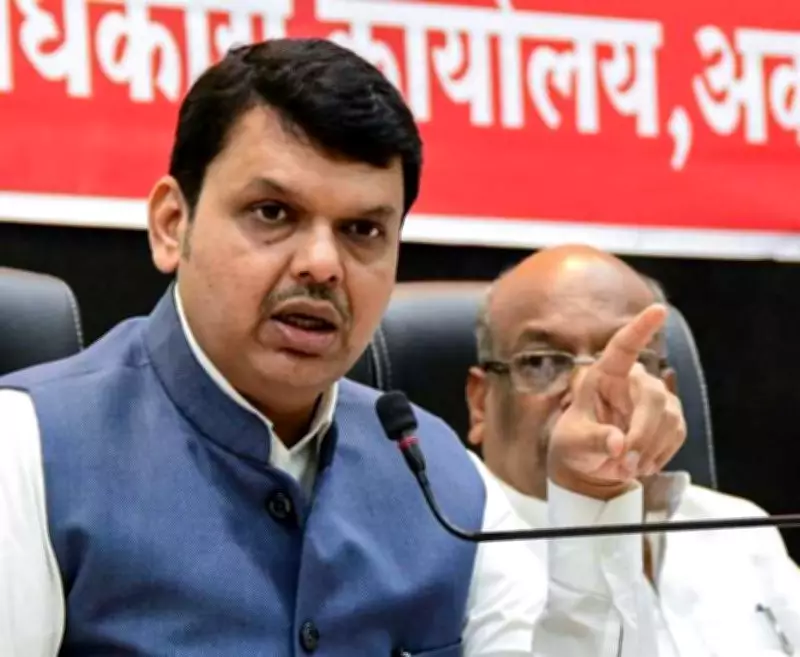
In a significant political development, Maharashtra Deputy Chief Minister Devendra Fadnavis has publicly raised pointed questions regarding the potential merger of the Nationalist Congress Party (NCP) under the leadership of Ajit Pawar. Fadnavis, a senior Bharatiya Janata Party (BJP) leader, has cast doubt on whether such a crucial political move would be executed without prior consultation or information being shared with the BJP, his own party.
Fadnavis Questions the Transparency of Merger Plans
During recent interactions with the media, Devendra Fadnavis expressed skepticism about the processes surrounding the speculated merger of the NCP faction led by Ajit Pawar. He specifically questioned the likelihood of Ajit Pawar finalizing a merger agreement without keeping the BJP in the loop. This inquiry comes at a time when Maharashtra's political landscape is witnessing considerable flux, with various parties exploring new alliances and consolidations.
Context of Political Realignments in Maharashtra
The backdrop to Fadnavis's remarks is the ongoing realignment within Maharashtra's political sphere. Following a split in the NCP, Ajit Pawar has been leading a faction that has shown signs of moving closer to the BJP and its allies. However, the exact nature and timing of any formal merger remain subjects of intense speculation and discussion among political observers and stakeholders.

Fadnavis emphasized the importance of transparency and communication in such high-stakes political maneuvers. He implied that any significant decision like a party merger should involve clear dialogue between all concerned parties to ensure stability and avoid misunderstandings.
Implications for Maharashtra's Governance and Alliances
The questions posed by Fadnavis highlight the delicate balance of power and trust within the ruling coalition in Maharashtra. As Deputy CM, his concerns could signal underlying tensions or a need for clearer protocols in alliance politics. The potential merger of Ajit Pawar's NCP faction with the BJP or its partners could reshape the state's governance dynamics, affecting policy implementation and electoral strategies.
Political analysts suggest that Fadnavis's comments might be aimed at asserting the BJP's central role in any future political arrangements, ensuring that the party is not sidelined in critical decisions. This move could also be seen as a strategic effort to maintain cohesion within the existing alliance structures.
Reactions and Future Outlook
While there has been no immediate response from Ajit Pawar or his camp to Fadnavis's queries, the political community is closely monitoring the situation. The outcome of this discourse could influence not only the immediate future of the NCP faction but also the broader political equations in Maharashtra as the state approaches upcoming electoral cycles.
In summary, Devendra Fadnavis's pointed questions about the NCP merger plans underscore the complexities of coalition politics in Maharashtra. His emphasis on informed decision-making reflects the BJP's intent to play a pivotal role in shaping the state's political trajectory, amid ongoing realignments and strategic calculations.