Farmers and Religious Activists Intensify 'Dharam Yuddha Morcha' in Samana for Stricter Sacrilege Law
In a significant escalation of civil unrest, farmers and religious activists have ramped up their indefinite protest in Samana, Punjab, on Wednesday, firmly establishing the site as the 'Dharam Yuddha Morcha'. The core demand of the agitation is the enactment of a more stringent national law to prevent the sacrilege of religious symbols and scriptures, a call that has gained momentum amid growing frustrations over perceived legal inadequacies.
Protest Inspired by Activist on Telecom Tower
The protest finds its roots in the solitary demonstration of Sikh activist Gurjeet Singh Khalsa, who has been perched atop a 400-foot-high telecom tower since October 12, 2024, advocating for the same cause. His steadfast stance has galvanized broader support, leading to a coordinated mobilization effort by protest leaders.
Escalation and Police Detentions
The agitation saw a sharp increase in intensity after Gurpreet Singh, coordinator of the Beadabi Morcha, urged supporters to gather in large numbers to show solidarity with Khalsa. On Tuesday, this call was heeded by various farmer groups, including the SKM (Non-Political), who joined the protest at Samana. However, the mobilization was met with police intervention, resulting in the detention of over 200 protesters in Sangrur and Patiala districts as they attempted to reach the protest site.
Clashes and Sit-In at Baba Banda Singh Bahadar Chowk
Tensions flared when protesters attempted to stage a sit-in at Baba Banda Singh Bahadar Chowk in Samana, leading to a minor scuffle with police forces. Protest leaders argued vehemently that existing legal provisions lack the necessary deterrent strength to curb repeated incidents of sacrilege. "We will not budge until the government initiates a tougher legal framework," declared Gurpreet Singh, emphasizing the non-negotiable nature of their demands.
Police Talks and Community Impact
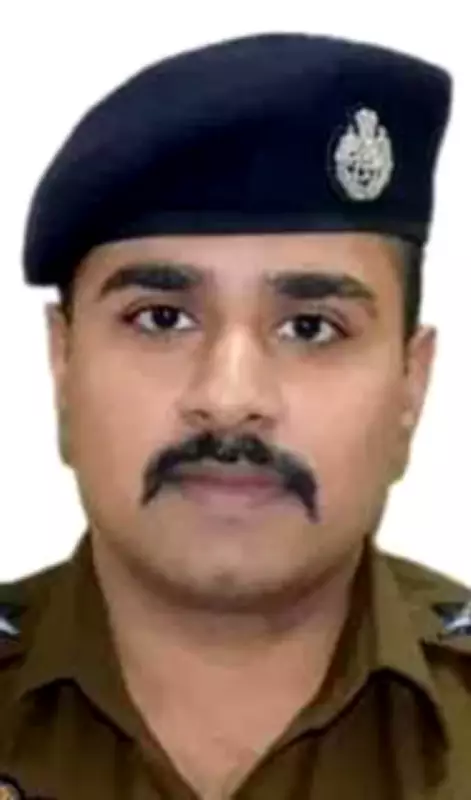
Despite heavy police deployment, protesters maintained their sit-in at the chowk, raising slogans and demanding immediate legislative action. Police engaged in discussions with the agitators, but these talks remained inconclusive. SP Vaibhav Chaudhary noted that the discussions were held on a positive note, with authorities requesting protesters to relocate to their designated site to avoid blocking the chowk and roads, which were adversely affecting traders, shopkeepers, and commuters. He assured that another round of talks would be convened soon to address the impasse.
Broader Implications and Ongoing Struggle
This protest underscores a deepening rift between civil society groups and governmental authorities over issues of religious sensitivity and legal enforcement. The 'Dharam Yuddha Morcha' symbolizes a collective push for legislative reform, reflecting broader concerns about the protection of religious freedoms in India. As the standoff continues, the focus remains on whether the government will heed these calls for a more robust legal framework against sacrilege.