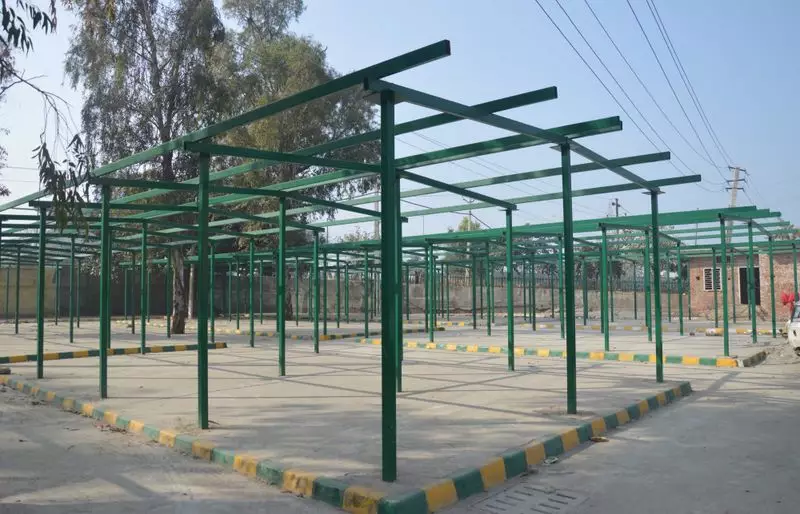
The Fatehgarh Churian Road area of Ludhiana is at the center of a new controversy following a crucial decision by the city's municipal corporation. The Focal Point Committee (FCC) of the Ludhiana Municipal Corporation has granted formal approval for the establishment of a vending zone at the historic Chand Cinema site. This move has immediately drawn sharp criticism from local residents and environmental activists, who have announced their intention to challenge the decision before the National Green Tribunal (NGT).
Details of the FCC Decision and Vending Zone Plan
During a meeting held on Tuesday, the FCC, which operates under the Ludhiana Municipal Corporation, gave the green light to the vending zone project at Chand Cinema. The committee's approval is a significant step in formalizing the space for street vendors. However, this decision directly contradicts the stance of the Fateh Singh Market Welfare Association, a key local body representing area stakeholders.
The association has been vocal in its opposition, arguing that the designated area is unsuitable for such a zone. They contend that the space is part of a green belt and its conversion would violate environmental norms. Furthermore, they highlight that the location is already plagued by severe traffic congestion, and introducing a vending zone would exacerbate the problem, leading to chaos and safety hazards for pedestrians and motorists alike.
Activist Opposition and Legal Recourse
Leading the charge against the FCC's decision is activist Kuldeep Singh Khaira. He has condemned the approval, labeling it as a move that legalizes existing illegal encroachments rather than solving the core issue. Khaira has explicitly stated that the activists' group will file a formal appeal with the National Green Tribunal to overturn the decision. Their primary argument rests on the environmental impact and the alleged illegality of the encroachments on the land.
The activists assert that the vending zone, as approved, would essentially provide a sanctioned cover for structures that were erected without proper authorization. They argue that the municipal body should focus on removing these encroachments to clear the green belt and ease traffic flow, not on institutionalizing them through a formal vending zone plan.
Broader Implications and Next Steps
The conflict underscores a recurring urban dilemma: balancing the livelihood needs of street vendors with environmental conservation and urban planning regulations. The FCC's approval suggests an attempt to regulate vending activity in a specific area. However, the fierce opposition from the welfare association and activists points to a failure in consensus-building and a potential oversight of the location's ecological and infrastructural constraints.
The impending appeal to the National Green Tribunal sets the stage for a legal battle that will scrutinize the environmental validity of the municipal corporation's decision. The tribunal's ruling could have far-reaching consequences for how vending zones are planned and approved in Ludhiana and potentially other Indian cities facing similar disputes. All eyes are now on the legal process, as the community awaits a final resolution on the fate of the Chand Cinema site.