

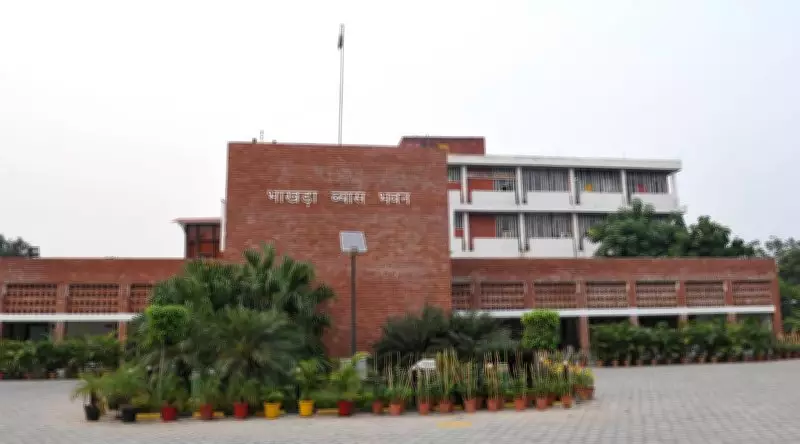
Fresh Dispute Erupts Over BBMB Restructuring: Centre Proposes Doubling Full-Time Members
A new controversy has erupted over the Bhakra Beas Management Board (BBMB), with the central government proposing to increase the number of full-time members from two to four. This move has sparked significant concerns from Punjab and other stakeholders, who fear it could alter the governance structure and regional representation in the critical water management body.
Details of the Proposed Changes
The proposal, put forward by the Centre, aims to expand the board's full-time membership from the current two positions to four. Currently, the BBMB operates with two full-time members, alongside part-time representatives from the partner states of Punjab, Haryana, Rajasthan, and Himachal Pradesh. The restructuring plan suggests adding two more full-time roles, which could potentially shift the balance of power and decision-making within the board.
This development comes amid ongoing tensions over the BBMB's operations, which manage the vital Bhakra and Beas river projects, crucial for irrigation, hydropower, and water supply in northern India. The board's decisions have far-reaching implications for agriculture, energy, and regional water-sharing agreements.

Stakeholder Reactions and Concerns
Punjab has expressed strong reservations about the proposal, arguing that it could dilute the state's influence and undermine the principles of cooperative federalism. State officials have raised concerns that increasing the number of full-time members might centralize control, reducing the role of part-time state representatives in key decisions.
Other stakeholders, including Haryana and Rajasthan, are also closely monitoring the situation, as any changes to the BBMB's structure could impact water allocations and project management. There are fears that the move could lead to bureaucratic delays or conflicts, affecting the efficient functioning of the board.
Historically, the BBMB has been a point of contention between the Centre and the states, with previous disputes over appointments and governance reforms. This latest proposal is seen as part of a broader pattern of attempts to restructure the board, which has often been met with resistance from regional governments.
Implications for Water Management and Governance
The BBMB plays a pivotal role in managing water resources in the region, overseeing dams and reservoirs that support millions of people. Any changes to its composition could have significant consequences for water distribution, hydropower generation, and flood control measures.
Experts warn that altering the board's structure without consensus could exacerbate existing tensions and hinder collaborative efforts in water management. They emphasize the need for transparent discussions and stakeholder consultations to ensure that reforms align with the interests of all parties involved.
The Centre has defended the proposal, stating that it aims to enhance the board's efficiency and expertise by bringing in more full-time professionals. However, critics argue that this could sideline state representatives and centralize authority, potentially leading to disputes over water-sharing and project priorities.
Looking Ahead
As the debate intensifies, all eyes are on how the Centre and the states will navigate this fresh row. The outcome could set a precedent for other inter-state water management bodies in India, influencing future governance models and cooperative agreements.
Stakeholders are calling for a balanced approach that respects regional interests while promoting effective management. The resolution of this dispute will be crucial for maintaining harmony and ensuring the sustainable use of water resources in the region.






