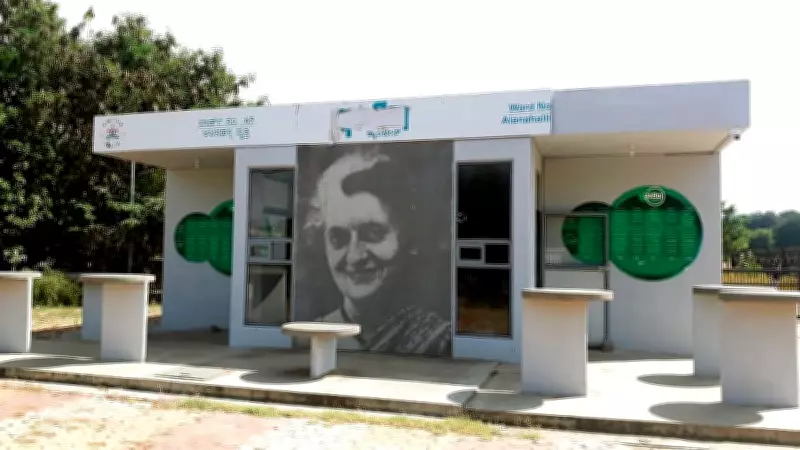
GBA Chief Announces Comprehensive Overhaul for Bengaluru's Indira Canteens
The Chief of the GBA (Governing Body Association) has made a firm commitment to revitalize the Indira Canteens across Bengaluru, aiming to make them more appealing and functional for the city's residents. This initiative focuses on addressing key areas such as infrastructure upgrades, menu enhancements, and stringent hygiene protocols to ensure these canteens better serve the public's needs.
Key Focus Areas for the Revamp
Infrastructure Improvements: The GBA chief emphasized that the physical condition of the canteens will be a top priority. Plans include renovating existing facilities to provide a cleaner and more welcoming environment. This may involve better seating arrangements, improved ventilation, and modern kitchen equipment to streamline operations.
Menu Diversification: To cater to diverse tastes and nutritional requirements, the canteens will introduce a wider variety of food options. The goal is to offer balanced meals that are both affordable and nutritious, potentially incorporating local Karnataka cuisine to reflect regional preferences.

Hygiene and Safety Standards: Ensuring food safety is paramount. The revamp will enforce stricter hygiene practices, including regular inspections and staff training on sanitation. This move aims to build public trust and encourage more people to utilize these canteens for their daily meals.
Impact on Public Welfare
Indira Canteens were established to provide subsidized meals to low-income groups and students, playing a crucial role in Bengaluru's food security landscape. By making them more attractive, the GBA chief hopes to increase footfall and accessibility, thereby supporting vulnerable populations. This effort aligns with broader public welfare goals, ensuring that essential services are not only available but also of high quality.
The announcement has been met with positive responses from local communities, who see it as a step toward improving urban living standards. As Bengaluru continues to grow, such initiatives are vital for maintaining social equity and addressing basic needs in a rapidly developing city.