

Goa Chief Minister Officially Cancels Controversial Mirabag Bandhara Project
In a significant development, Chief Minister Pramod Sawant has formally ordered the scrapping of the contentious Mirabag bandhara project in Goa. The decision was officially recorded through notings in the project file, fulfilling a written assurance that protesting villagers had persistently demanded.
Background and Rationale for the Project
In his official notings, Sawant acknowledged that the project was initially launched with the intention of addressing future water demands and drinking water requirements for the locality and the state at large. He noted that a PowerPoint presentation was conducted to explain the project details to local residents, emphasizing its public interest objectives.
Reasons for Scrapping the Initiative
However, the chief minister stated that "considering the demand of the villagers to scrap the project and in view of the sentiments of the public," the decision to cancel it has been formally approved. This move comes after intense opposition from the community, which raised concerns about potential adverse impacts on their land and livelihoods.

Details of the Controversial Project
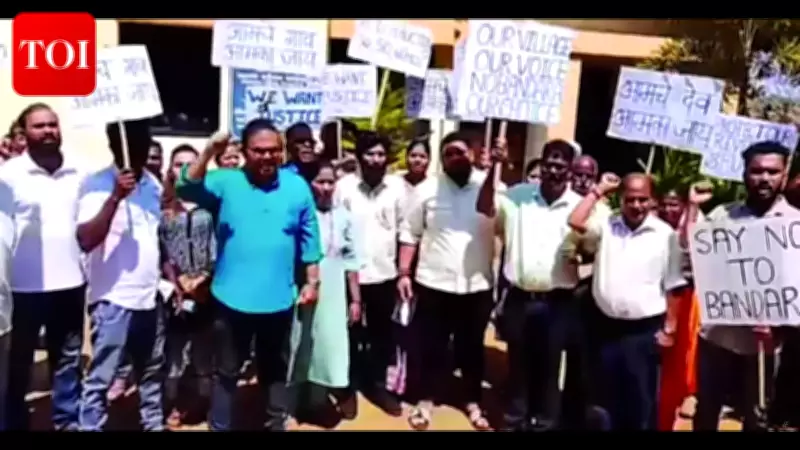
The disputed project involved the construction of a barrage and a 50 million liters per day (MLD) raw water pumping station across the Zuari river at Mirabag. Villagers protested vigorously for 49 consecutive days, arguing that the infrastructure would cause severe environmental and economic harm to their area.
- The agitation reached a point where protesters threatened to march to Azad Maidan in Panaji to escalate their demonstration.
- This planned escalation prompted authorities to invoke Section 163 of the BNSS to prohibit any such gathering in the state capital.
Assurances and Demands from Protesters
During a meeting with the villagers, Sawant had verbally assured them that the project would be scrapped. He also committed to several additional measures to address their grievances:
- Filling the two deep pits that had been excavated by the Water Resources Department (WRD).
- Resurfacing the damaged road before the onset of the monsoon season.
- Withdrawing police cases that had been filed against four protesters.
Despite these verbal assurances, the villagers insisted on obtaining a written, official confirmation to ensure the decision was legally binding and transparent.
Directives for Future Water Projects
In his notings, Chief Minister Sawant also directed the Water Resources Department to identify alternative sites for a similar project in South Goa or the Kushavati district. He imposed a strict condition that prior consultation with local residents must precede any such initiative, highlighting a shift towards more community-inclusive planning.
Protesters' Response and RTI Application
The protesters, who obtained the file notings through a Right to Information (RTI) application, welcomed the development. They described the official scrapping as a vindication of their sustained agitation and a victory for grassroots democracy. This outcome underscores the power of persistent public advocacy in influencing governmental decisions on infrastructure projects.
The cancellation of the Mirabag bandhara project marks a pivotal moment in Goa's approach to water resource management, emphasizing the need for balancing developmental goals with community welfare and environmental sustainability.






