

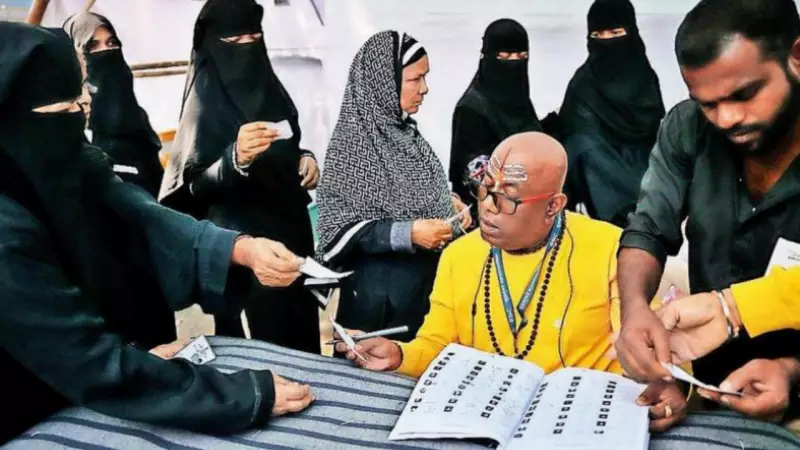
Strong Voter Participation Marks Mumbai's Minority-Dominated Areas
Mumbai's minority-dominated Govandi area witnessed a significant voter turnout from Thursday afternoon. Local residents reported long queues at polling stations throughout the day.
"Despite some hiccups in finding their names on voter lists, people really wanted to ensure they cast their vote and had it recorded properly," said Jamil Ahmed Khan, a Govandi resident. "Long queues or difficulty in finding the right polling booths did not seem to discourage voters at all."
Political Contest and Community Expectations
Political observers note the contest appears to be between the Samajwadi Party and AIMIM in certain wards like 134 and 136. The competitive nature of these elections seems to have energized the electorate.

Faiyaz Shaikh of the Govandi Citizens Welfare Forum observed the strong participation. "It seems people genuinely want change, and that desire is clearly reflected in the queues outside polling booths," he said. "We saw a large number of first-time voters casting their ballots today."
Shaikh explained the motivation behind this participation. "The younger generation, particularly Gen Z, wanted to choose their own representative. They expect their elected official to improve living conditions and create effective local leadership."
Local Issues Drive Voter Motivation
Another Govandi resident highlighted why civic elections matter to people. "Unlike assembly elections, civic polls are directly connected to our daily lives," he explained. "The person we elect will play a crucial role in providing basic civic amenities at the local level."
This connection between local governance and everyday life appears to have motivated many residents to exercise their franchise willingly.
Pydhonie Shows Similar Enthusiasm
In another minority-dominated locality, Pydhonie in south Mumbai, people from all communities voted in large numbers throughout the day.
A Muslim woman in her late twenties shared her voting experience. "I have been voting in this area for the past couple of elections," she said. "The arrangements here were quite good, and the staff was very cordial. They helped us find our names without any trouble."
She particularly appreciated the assistance provided to vulnerable voters. "Police personnel also helped senior citizens and ailing people who came out to vote. It made the process much smoother for everyone."
Family Voting and First-Time Voters
The woman mentioned she came to vote with relatives. "Women from my family and neighborhood actually came together to vote as a group," she noted, highlighting the communal aspect of the voting process.
At a polling booth inside a BMC school, several burqa-clad women waited in line to cast their votes. One young woman expressed her excitement about participating for the first time in the democratic process.
Elderly Participation and Efficient Process
Ameer Mohamed Khan, aged 78, arrived at the Seventh Day Adventist School polling booth in Agripada, south Mumbai, with his 70-year-old wife, Jannatun Nisa. The elderly couple completed their voting process within just five minutes.
Sitting on chairs provided at the polling station, they appreciated the arrangements made for senior citizens. Their smooth experience demonstrates the efficiency of the electoral process in these areas.
A young Muslim man emphasized the importance of voting. "It is very important to exercise our voting rights," he stated firmly. "My entire family came together today to cast our ballots. We believe every vote counts in shaping our local governance."
The strong turnout in both Govandi and Pydhonie suggests Mumbai's minority communities are actively engaging with the democratic process, particularly when it comes to elections that directly impact their daily lives and local infrastructure.






