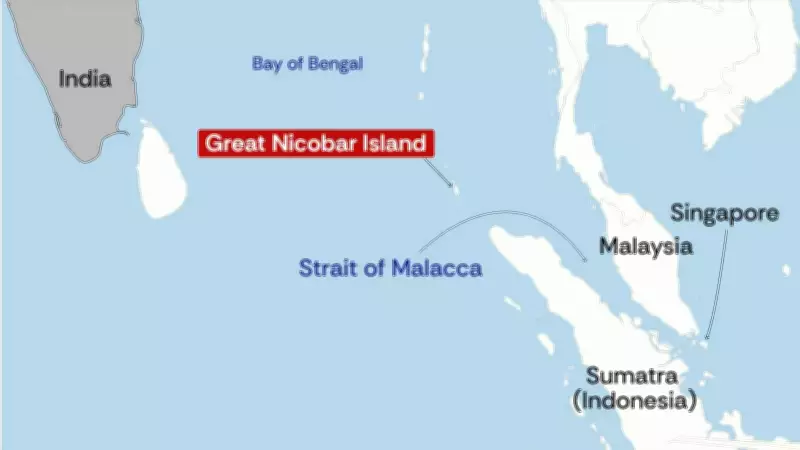
Great Nicobar, India's southernmost island, has emerged as a new political flashpoint. The island is home to Indira Point, India's southernmost point, named after former Prime Minister Indira Gandhi. She visited the island in 1984 while serving as prime minister. Since then, no prime minister has visited the island.
Geographical Significance
For most Indians, Great Nicobar remains a distant dot on the map. It is located nearly 1,600 kilometers from the mainland, much closer to Southeast Asia than to Delhi. The island sits at the southeastern edge of the Bay of Bengal. Despite being larger than Singapore, it is home to just 8,076 people according to the 2011 Census.
Political Implications
The lack of high-level political visits highlights the island's isolation. However, recent developments have turned it into a political flashpoint. The strategic location of Great Nicobar, near critical sea lanes, makes it significant for India's security and economic interests. The central government's plans for infrastructure development on the island have sparked debates over environmental impact and indigenous rights.

The island's remoteness has long been a defining feature, but now it is at the center of national attention. As India looks to bolster its presence in the region, Great Nicobar's future remains uncertain. The island's unique ecosystem and the welfare of its inhabitants are key concerns in the ongoing political discourse.