Gujarati Translation of Palghar Traffic Order Ignites Language Dispute
A recent traffic regulation in Maharashtra's Palghar district has unexpectedly sparked a heated language controversy. The issue centers on a Gujarati translation of an official order restricting vehicular movement on a highway.
Political Parties Voice Strong Opposition
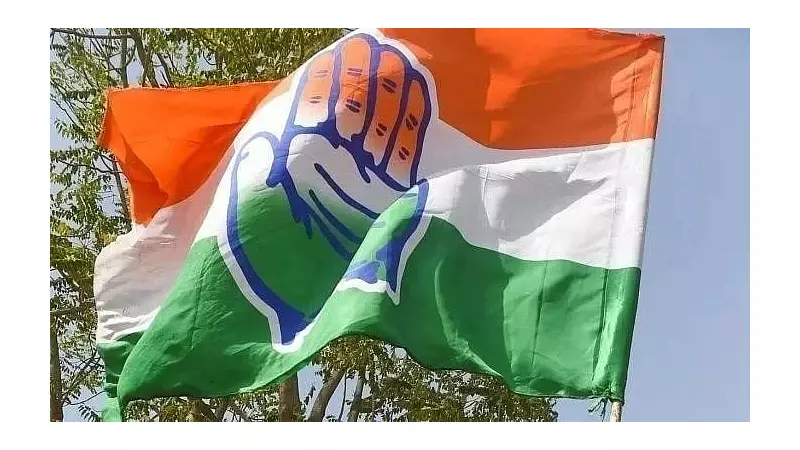
The Congress party and Shiv Sena (UBT) have both registered formal protests against this linguistic move. They argue that prioritizing Gujarati over Marathi in an official notification undermines the state's primary language.
Political leaders from both parties have publicly condemned the translation. They claim it represents a deliberate attempt to marginalize Marathi speakers in the region.

Official Clarification Attempts to Defuse Tension
District officials have moved quickly to address the growing controversy. They issued a clarification stating the translation carried no intention whatsoever to disrespect or undermine the Marathi language.
Authorities emphasized that the original prohibition order was indeed issued in Marathi. The Gujarati version served merely as a supplementary translation for broader public understanding.
"The primary notification was always in Marathi," explained a district official. "The Gujarati translation was provided as an additional measure for clarity, not as a replacement."
Background of the Traffic Regulation
The controversy stems from a routine traffic management decision. Authorities had prohibited certain vehicles from using a specific highway section to improve safety and reduce congestion.
This prohibition was first communicated through a standard Marathi notification. The subsequent Gujarati translation appears to have triggered the unexpected political reaction.
Language Politics in Maharashtra
This incident highlights the sensitive nature of language politics in Maharashtra. The state has witnessed numerous debates over linguistic preferences in official communications.
Marathi enjoys constitutional protection as Maharashtra's official language. Any perceived deviation from this status often generates immediate political response.
The current controversy demonstrates how quickly language issues can escalate into political confrontations. Both protesting parties have demanded immediate withdrawal of the Gujarati translation.
Current Status and Public Reaction
As of now, the traffic order remains in effect in both languages. District officials maintain their position that the translation was purely administrative.
Local residents have expressed mixed reactions to the developing situation. Some view the translation as practical assistance for Gujarati speakers in the area.
Others echo the political parties' concerns about preserving Marathi's primacy in official matters. The district administration continues to engage with stakeholders to resolve the disagreement.
This language row in Palghar serves as another reminder of India's complex linguistic landscape. Even routine administrative decisions can quickly become focal points for broader cultural and political debates.