

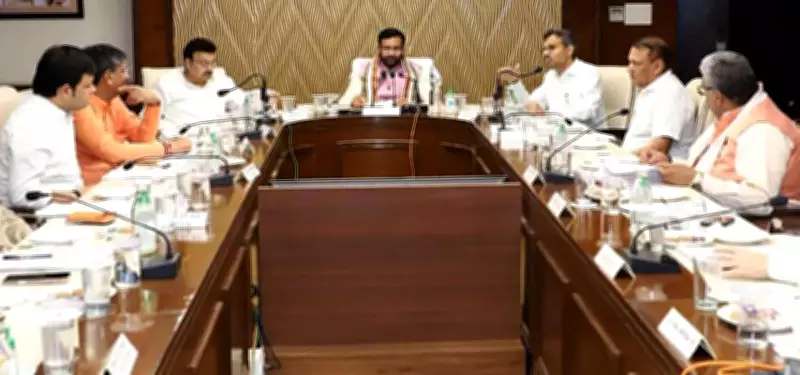
Haryana Cabinet's Gurgaon Meeting Overlooks Local Civic and Industrial Woes
In a historic first, the Haryana cabinet convened in Gurgaon on Wednesday, but the city's pressing local concerns were conspicuously absent from the agenda. Despite recent violent wage protests by workers in nearby Manesar and looming monsoon-related challenges like waterlogging and traffic chaos, the state's top decision-making forum left these issues untouched.
Meeting Focuses on State-Level Politics and Employee Promotions
The 45-minute session, chaired by Chief Minister Nayab Saini at the PWD rest house with some ministers joining online, centered on the defeat of the Nari Shakti Vandan Bill in Parliament, an upcoming special assembly session, and promotions for Group D employees. Urban Local Bodies Minister Vipul Goel confirmed that no civic issues related to Gurgaon were discussed, stating the main agenda was limited to broader state matters.
Local MLA Mukesh Sharma, present at the venue though not part of the cabinet, echoed this, noting the meeting dealt with "broader state matters" rather than city-specific problems. Officials revealed the choice of Gurgaon as the venue was driven by convenience, as the chief minister had other engagements in Delhi and an urgent cabinet approval was needed for the special session.

Key Decisions and Political Rhetoric
The cabinet approved convening a special session of the Haryana Legislative Assembly on April 27, where the government plans to move a resolution on the Nari Shakti Vandan Bill and introduce the Haryana Clerical Services Bill, 2026, to facilitate promotions for Group D employees. During a subsequent news conference, CM Saini attacked Congress and its allies over the women's reservation bill, accusing them of wanting to "confine women within four walls" and praising Prime Minister Narendra Modi's record on women's welfare.
On employee promotions, Saini announced the cabinet had agreed to frame rules for promoting Group D employees with over five years of service to clerical posts, proposing to raise the promotion quota from 20% to 30% and including a mandatory 5% ex gratia quota. Notably, he declined to answer questions unrelated to the bill during the briefing.
Missed Opportunity for Gurgaon's Economic Engine
The omission of city-specific issues was particularly striking given Gurgaon's significance as Haryana's economic powerhouse, contributing a major share of state revenue and housing dense clusters of industries, multinational firms, and corporate offices. Residents had raised hopes that bringing the cabinet to the city would finally address long-standing civic and infrastructure problems.
Local concerns are not in short supply. Earlier this month, Gurgaon and Noida saw major protests by industrial workers demanding higher wages, with labor unrest in Manesar highlighting regional industrial tensions. With the monsoon just over a month away, residents were also expecting discussions on chronic waterlogging and traffic snarls, but these were left off the table.
This meeting, billed as significant due to its rare location outside Chandigarh or Haryana Bhavan in New Delhi, ultimately served as a reminder of the disconnect between state-level politics and ground-level civic emergencies in one of India's most dynamic urban centers.






