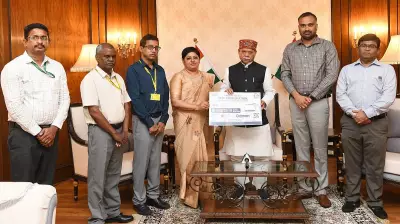
Haryana Arhtiyas Association Calls for Dedicated Transport Contractor to Streamline Grain Procurement
The Haryana Arhtiyas Association, a key body representing commission agents in the state, has formally requested the government to appoint a dedicated transport contractor for grain procurement operations. This move aims to address persistent delays and inefficiencies in the current system, which have been impacting farmers and the agricultural supply chain.
Background and Current Challenges
Arhtiyas, who act as intermediaries between farmers and government agencies, play a crucial role in Haryana's agricultural economy, particularly during procurement seasons. However, recent years have seen significant delays in transporting grains from procurement centers to storage facilities, leading to bottlenecks and financial losses for stakeholders.
The association has highlighted that the lack of a centralized transport system results in coordination issues, with multiple contractors often failing to meet timelines. This not only affects the timely payment to farmers but also risks grain spoilage due to prolonged exposure.

Proposed Solution and Benefits
By appointing a single, reliable transport contractor, the association believes that logistics can be streamlined, ensuring smoother and faster movement of grains. This contractor would be responsible for managing all transportation needs during procurement periods, from collection points to designated warehouses.
- Improved Efficiency: A dedicated contractor could optimize routes and schedules, reducing wait times and operational hiccups.
- Enhanced Accountability: With one entity in charge, it becomes easier to track performance and address any lapses promptly.
- Farmer Welfare: Faster transport means quicker processing and payments, directly benefiting the farming community.
Government Response and Next Steps
The Haryana government has acknowledged the request and is reportedly considering the proposal. Officials have indicated that such a measure could align with broader efforts to modernize agricultural logistics and support the state's food security initiatives.
If implemented, this system is expected to set a precedent for other states facing similar challenges in grain procurement. The association remains hopeful for a positive outcome, emphasizing that timely action is essential ahead of the upcoming procurement season.