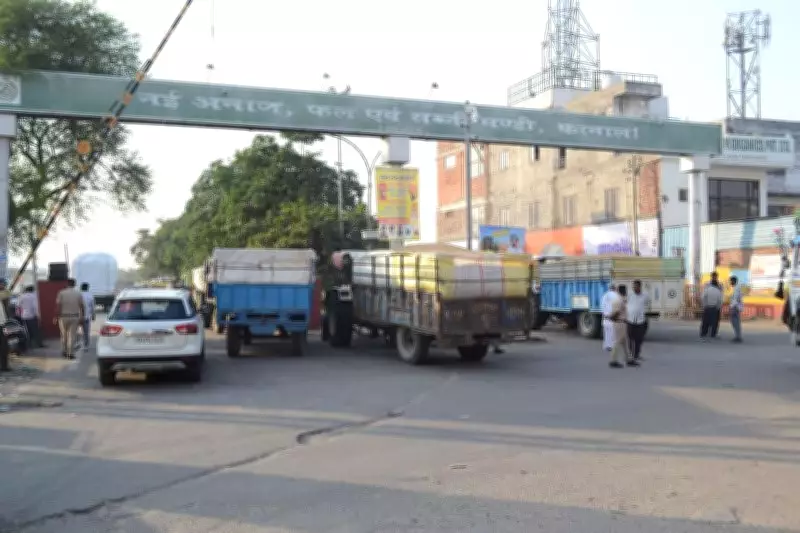
Haryana Farmers Stage Backlash Against New Biometric Crop Sale and Tractor Entry Regulations
In a significant development, farmers across Haryana have launched widespread protests against recently implemented state government rules mandating biometric verification for crop sales and stringent checks on tractor entries at agricultural markets, known as mandis. The contentious measures, introduced to enhance transparency and security, have sparked a fierce backlash from the farming community, who allege increased harassment, procedural delays, and operational disruptions.
Biometric Verification for Crop Sales Sparks Outcry
The new regulations require farmers to undergo biometric authentication, such as fingerprint or iris scans, before selling their produce at mandis. State authorities argue that this system is designed to prevent fraud, ensure accurate record-keeping, and streamline subsidy distributions by verifying the identity of sellers. However, farmers have raised strong objections, claiming that the process is cumbersome and time-consuming.
Many farmers report long queues and technical glitches at mandis, leading to significant delays in selling their crops. This has resulted in financial losses, as perishable goods risk spoilage while waiting for verification. Additionally, elderly farmers and those with worn fingerprints due to manual labor face particular difficulties in completing the biometric scans, further exacerbating the situation.

Tractor Entry Checks Add to Farmers' Woes
Compounding the issue, the Haryana government has also enforced stricter checks on tractor entries at mandis, including mandatory registration and inspections. Officials state that these measures aim to enhance security, regulate vehicle movement, and curb illegal activities. Yet, farmers contend that the checks are overly intrusive and cause unnecessary bottlenecks.
Protesters highlight instances of arbitrary detentions and fines, arguing that the rules disrupt the timely transport of crops and increase operational costs. The combined impact of biometric verification and tractor entry checks has fueled resentment, with farmers accusing the government of imposing burdensome regulations without adequate consultation or infrastructure support.
Government Defense and Farmer Demands
In response to the backlash, Haryana government representatives have defended the rules as essential for modernizing the agricultural sector and ensuring accountability. They emphasize that biometric systems help eliminate middlemen and direct benefits to genuine farmers, while tractor checks improve safety and order at mandis.
However, farmers' unions have presented a list of demands, including:
- Immediate suspension of the biometric verification requirement.
- Simplification of tractor entry procedures to reduce delays.
- Consultation with farming communities before implementing new policies.
- Improved technical infrastructure at mandis to support smoother operations.
Broader Implications for Agriculture in Haryana
The protests underscore deeper tensions between agricultural modernization efforts and on-ground realities in Haryana, a key agrarian state. As farmers continue to rally and threaten further agitation, the situation highlights the need for balanced policies that address security concerns without compromising farmers' livelihoods. The outcome of this dispute could set a precedent for similar regulations in other states, making it a critical issue for India's farming sector.
With both sides holding firm, the standoff in Haryana remains unresolved, casting a shadow over crop sales and mandi operations during the current harvesting season. Stakeholders are calling for dialogue to find a middle ground that respects farmers' needs while advancing transparency goals.