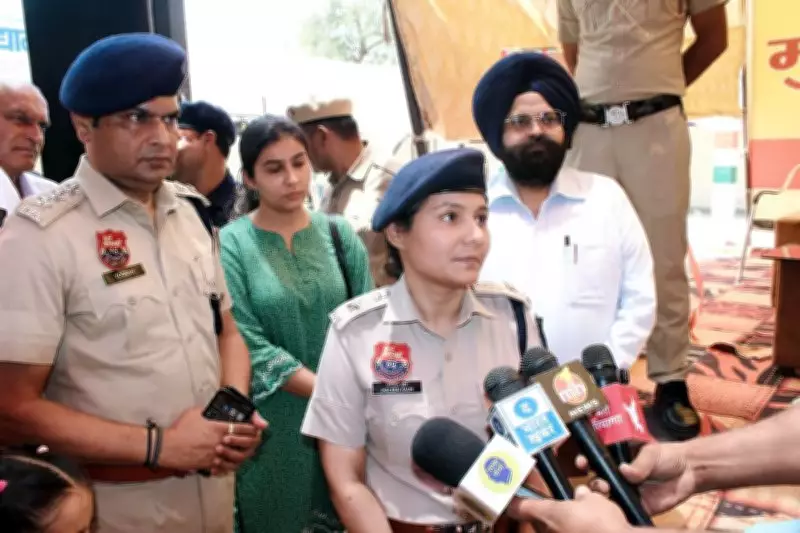
In a significant move to combat the rising drug menace, a village panchayat in Dabwali, Haryana, has resolved not to extend any support for bail applications in drug-related cases. The decision was taken during a meeting of the panchayat, where members expressed deep concern over the increasing number of drug abuse incidents in the area.
Panchayat's Stand Against Drugs
The panchayat passed a resolution stating that no member of the village would provide any assistance or sign any documents to facilitate bail for individuals accused in drug cases. This includes not only monetary support but also moral backing and legal aid. The panchayat believes that such support often enables the accused to continue their illegal activities.
Community Support for the Decision
The resolution has received widespread support from the villagers, who have been grappling with the adverse effects of drug addiction among the youth. Many residents have lost their loved ones to drug overdoses, and the panchayat's decision is seen as a step towards restoring social order. The village head emphasized that the panchayat is committed to eradicating the drug problem and will take strict measures against anyone found involved in the trade.

Broader Implications
This move by the Dabwali panchayat could set a precedent for other villages in Haryana and across India. Local bodies are increasingly recognizing the need for community-driven initiatives to tackle drug abuse. The panchayat has also urged the district administration to tighten surveillance and increase awareness campaigns in the region.
While some legal experts have raised concerns about the potential violation of the accused's right to a fair trial, the panchayat maintains that its action is within the bounds of social responsibility and does not interfere with the judicial process. The focus remains on prevention and rehabilitation rather than punishment alone.