

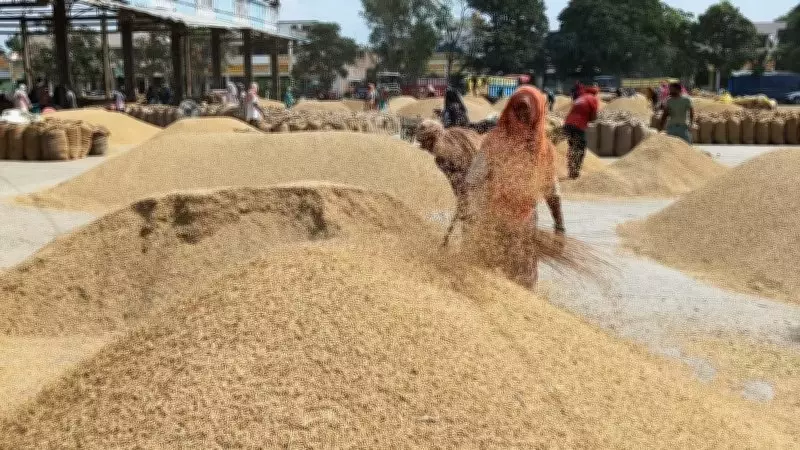
Haryana Government Initiates Probe into Paddy Procurement Irregularities
The Haryana state government has ordered a comprehensive investigation following allegations that three prominent procurement agencies allotted excess paddy to approximately 140 rice mills across the region. This development has sparked significant concerns regarding potential mismanagement and irregularities within the state's crucial food grain procurement system.
Details of the Alleged Irregularities
According to preliminary reports, the three procurement agencies involved in this case are accused of distributing surplus quantities of paddy beyond the authorized limits to a network of 140 rice mills. The exact volume of the excess allotment remains under scrutiny, but initial estimates suggest it could involve substantial amounts that may have disrupted the equitable distribution and storage mechanisms mandated by state policies.
The investigation aims to uncover whether these actions were due to administrative errors, procedural lapses, or intentional misconduct. Authorities are examining procurement records, mill allocations, and compliance with established guidelines to determine the full scope of the issue.

Impact on State's Food Grain Management
This incident raises serious questions about the efficiency and transparency of Haryana's paddy procurement operations, which play a vital role in supporting farmers and ensuring food security. The alleged excess allotments could potentially lead to:
- Disruptions in the supply chain for rice and other grain products.
- Financial losses for the state due to mismanaged resources.
- Erosion of trust among stakeholders, including farmers and consumers.
Officials have emphasized that the probe will be thorough and impartial, with findings expected to lead to corrective measures and possible disciplinary actions against those found responsible.
Broader Implications and Next Steps
The Haryana government's swift response underscores its commitment to addressing governance issues in the agricultural sector. As the investigation progresses, it may prompt reviews of procurement protocols and oversight mechanisms to prevent similar occurrences in the future.
Stakeholders, including agricultural associations and policy experts, are closely monitoring the situation, calling for enhanced accountability and digital tracking systems to streamline procurement processes. This case highlights the ongoing challenges in managing India's extensive food grain networks and the need for robust regulatory frameworks.






