

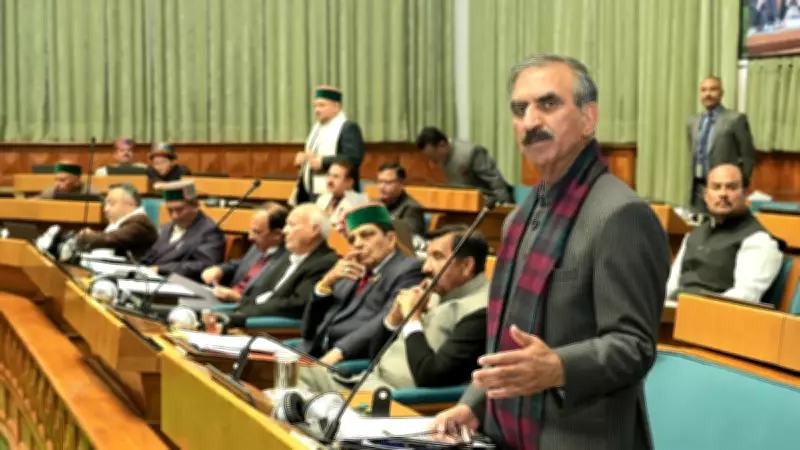
Himachal Pradesh Assembly Approves Bill to Strip Pension from Disqualified MLAs
The Himachal Pradesh Legislative Assembly has passed a significant bill aimed at denying pension and other post-retirement benefits to Members of the Legislative Assembly (MLAs) who are disqualified under the anti-defection law. This move is designed to enhance political accountability and curb defections in the state's political landscape.
Key Provisions of the Bill
The bill, which received approval from the assembly, explicitly states that MLAs found guilty of defection and subsequently disqualified will not be eligible for any pension or financial benefits typically provided to former legislators. This includes monthly pension payments, medical allowances, and other perks that are standard for retired MLAs in Himachal Pradesh.
The legislation aligns with the broader national efforts to enforce the anti-defection law more stringently, as outlined in the Tenth Schedule of the Indian Constitution. By linking disqualification to the loss of pension, the bill aims to create a stronger deterrent against political defections, which have often been criticized for undermining democratic stability.

Background and Rationale
The anti-defection law was enacted to prevent elected representatives from switching parties arbitrarily, which can lead to political instability and erode public trust. In Himachal Pradesh, like in other states, instances of defection have occasionally disrupted governance and legislative processes.
This bill represents a proactive step by the state government to address such issues, by imposing financial penalties on those who violate the law. It is expected to discourage MLAs from engaging in defection for personal or political gain, thereby promoting greater integrity within the political system.
Implications and Reactions
The passage of this bill has sparked discussions among political analysts and lawmakers. Proponents argue that it will strengthen democratic norms by holding elected officials accountable for their actions. They believe that denying pension to disqualified MLAs serves as a just consequence for betraying the mandate of the voters.
However, some critics have raised concerns about the potential for misuse, suggesting that the bill could be applied selectively to target political opponents. Despite these debates, the assembly's decision reflects a growing trend across India to tighten anti-defection measures and ensure that political representatives adhere to ethical standards.
Next Steps and Implementation
Following its approval in the assembly, the bill will now proceed to the Governor of Himachal Pradesh for assent. Once enacted into law, it will be implemented retrospectively, affecting any MLAs disqualified under the anti-defection law from the date of the bill's passage.
The state government has emphasized that this measure is part of a larger agenda to promote transparency and accountability in politics. Officials have stated that they will monitor the implementation closely to ensure it achieves its intended goals without unintended consequences.
In summary, the Himachal Pradesh Assembly's bill to deny pension to disqualified MLAs marks a pivotal development in the state's political framework. By linking financial benefits to adherence to the anti-defection law, it aims to foster a more stable and trustworthy political environment, setting a precedent that could influence similar initiatives in other states.






