

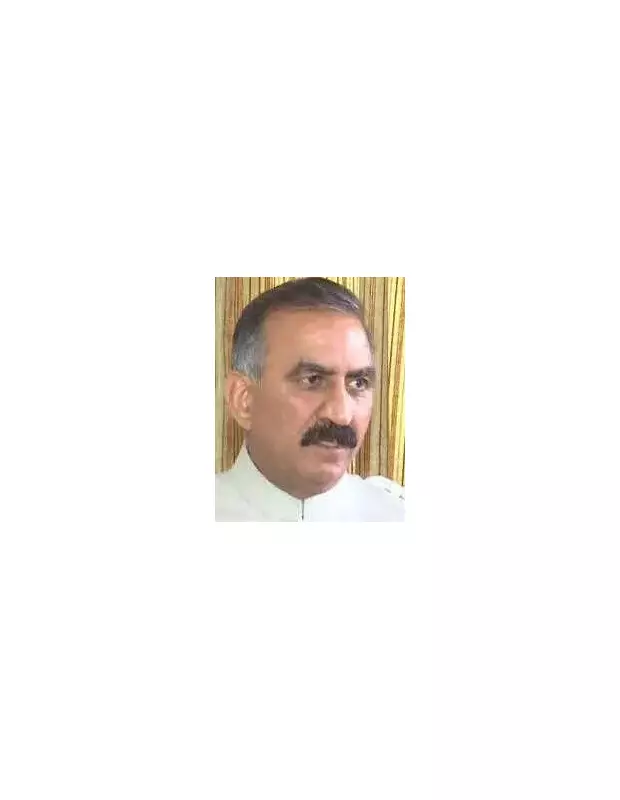
In a significant move aimed at social welfare and environmental sustainability, Himachal Pradesh Chief Minister Sukhvinder Singh Sukhu announced two major initiatives on Friday. The state government has committed to providing permanent housing for tens of thousands of impoverished families and unveiled a plan to phase out petrol taxis in favour of electric vehicles.
Safe Housing as a Social Right: A Five-Phase Mission
Chairing a review meeting of the Panchayati Raj department, Chief Minister Sukhu declared that providing pucca houses to all eligible poor families currently living in kutcha (temporary) homes is a top priority. He emphasised that safe housing is not just a basic necessity but a fundamental social right, and his government is taking concrete steps to guarantee this right for every citizen.
The identification process for beneficiaries is being carried out in a detailed, phased manner. The first phase of the survey focused on families who have been part of the Integrated Rural Development Programme (IRDP) for the past 20 years but still lack a pucca house. This phase identified 27,715 families, with eligibility capped at an annual income of Rs 50,000, excluding those who already own a concrete home.

The second phase added another 35,355 families to the list, bringing the total number of identified extremely poor families to 63,070. The upcoming third phase will specifically target orphaned children, persons with disabilities, and widows. The fourth and fifth phases are designed to ensure comprehensive coverage, leaving no eligible family behind.
Beyond Bricks: A Holistic Approach to Dignified Living
Chief Minister Sukhu clarified that the government's vision extends beyond merely constructing houses. The goal is to ensure a dignified life with access to basic amenities. The initiative integrates provisions for sanitation, drinking water, and livelihood support, creating sustainable living conditions.
To ensure effective implementation and monitoring of this and other development works, Sukhu announced the strengthening of the Panchayati Raj department. This will involve filling vacant posts, including positions for junior engineers. He directed officers to conduct regular reviews of scheme progress and warned against unnecessary delays, reaffirming the commitment to ensure development reaches the last citizen in the queue.
Green Mobility Push: 1,000 Petrol Taxis to be Replaced with E-Taxis
In a parallel review meeting of the transport and labour departments, CM Sukhu unveiled an ambitious plan to promote clean transportation and self-employment. The state will replace 1,000 petrol-powered taxis with electric vehicles (e-taxis) in a phased manner.
The first phase of this transition will be executed under the Rajiv Gandhi Start-up Scheme. To facilitate taxi owners, the government will provide a substantial 40% subsidy on the purchase of e-taxis. The Chief Minister instructed the transport department to expedite the process and confirmed that all replaced petrol taxis would be scrapped at registered centres.
Emphasising the environmental imperative, Sukhu stated that the Rs 680-crore Rajiv Gandhi Start-up Scheme prioritises electric mobility. Under the specific Rajiv Gandhi E-Taxi Scheme, eligible youth can avail of up to a 50% subsidy and get assured deployment of their vehicles in various government departments, fostering both sustainable livelihoods and green growth.
To bolster rural connectivity, the government also plans to issue permits for private bus operations on 390 routes, supported by a 30% subsidy. This move is expected to enhance rural transport services while creating new employment opportunities. The meetings were attended by Rural Development and Panchayati Raj Minister Anirudh Singh along with other senior officers.






