

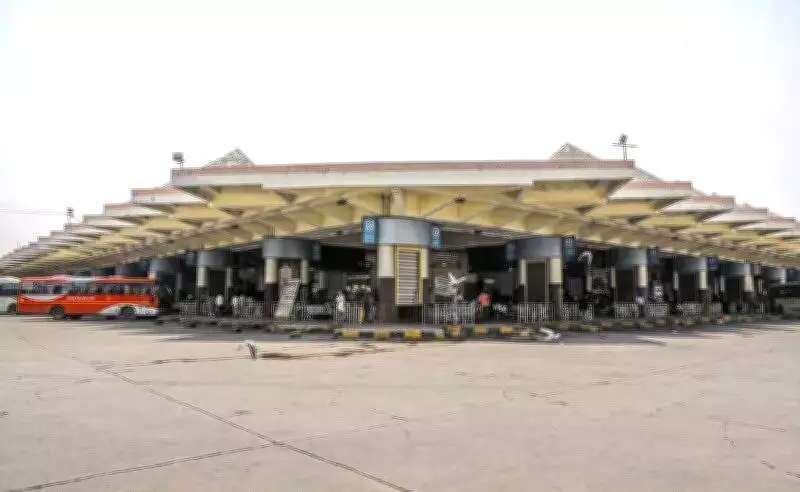
Hyderabad Transport Crisis: RTC Strike Halts Buses, Strands Lakhs of Commuters
Public transport across Hyderabad came to a near standstill as Telangana State Road Transport Corporation (TGSRTC) buses stayed off the roads from Tuesday midnight following a workers' strike. With buses confined to depots, lakhs of commuters were left stranded, scrambling for alternative modes of transportation.
Transport Vacuum and Commuter Struggles
Except for a handful of hired buses, most RTC services were suspended, creating a sudden vacuum in the city's transit network. This triggered heavy overcrowding in metro trains and SETWIN services, exacerbating the daily commute chaos.
Commuters also faced steep travel costs, with auto-rickshaw and cab operators allegedly exploiting the situation, particularly on routes without metro connectivity. Many passengers flagged the absence of fare regulation during such emergencies, highlighting the financial burden on daily travelers.

Long Queues and Passenger Frustration
At key transit points like Mahatma Gandhi Bus Station (MGBS) and Jubilee Bus Station (JBS), long queues persisted through the day as passengers waited for transport to their hometowns. Commuter B Vishwa shared his ordeal: "I waited nearly an hour for a bus from LV Prasad to Secunderabad railway station but couldn't find any. I finally booked an auto for Rs 300, while cabs were asking around Rs 400. It felt shocking, almost like paying for a sleeper-class ticket to Vijayawada."
Union Claims and Strike Details
Union leaders claimed strong participation in the strike. RTC Joint Action Committee (JAC) leader E Venkanna stated: "The first day has been successful, with over 37,000 workers joining. More than 9,000 buses remained idle, while only about 5% of hired buses operated in select areas. We will continue until the government addresses our 32 demands."
Authoritative Response and Mitigation Measures
Authorities moved to ease the pressure on commuters. Metro officials are considering extending services beyond 11 pm and increasing train frequency. Hyderabad Metro Rail Limited (HMRL) announced that 56 trains would run across peak and non-peak hours, with frequencies maintained at 4.20 minutes on the Miyapur–LB Nagar corridor and 3.40 minutes on the Nagole–Raidurg stretch.
Meanwhile, TGSRTC Managing Director Y Nagi Reddy termed the strike illegal and warned of strict disciplinary action, including salary cuts. He urged employees to return to duty, reiterating that management remains open to dialogue to resolve the issues.
Broader Implications and Civic Impact
The strike highlights significant challenges in Hyderabad's public transportation infrastructure, affecting not only daily commuters but also the city's economic activities. The reliance on a single major transport provider underscores vulnerabilities in urban mobility systems during labor disputes.
As the situation unfolds, residents continue to face uncertainty, with many adjusting their schedules and budgets to cope with the transport disruption. The strike's duration and resolution will likely influence future labor negotiations and public transport policies in Telangana.






