

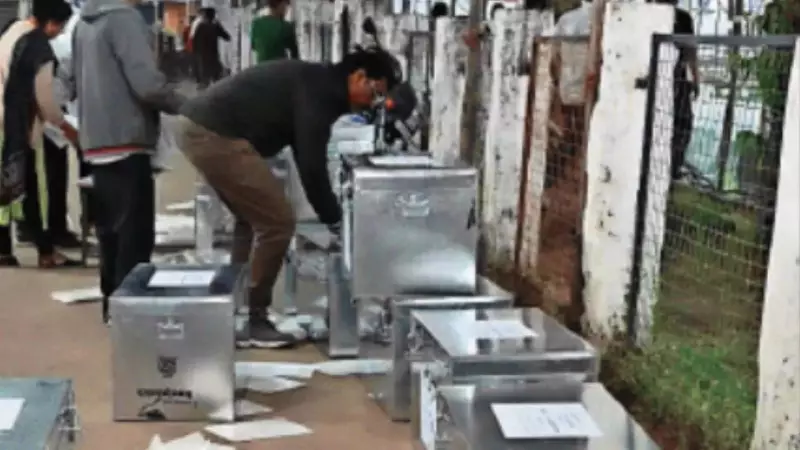
Ichalkaranji Posts Highest Voter Turnout in Maharashtra Civic Polls
The small city of Ichalkaranji achieved a remarkable feat in Maharashtra's municipal corporation elections. It registered an impressive 69.8% voter turnout on Thursday. This figure stands as the highest among all 29 municipal corporations that participated in the polls.
Ichalkaranji is experiencing its debut civic elections this year. The municipality itself was formed only in 2023, making this electoral event particularly significant for the new civic body.
Statewide Turnout Figures Show Varied Participation
State election officials expressed optimism about overall voter participation. They expect the final turnout to hover near 60%. This projection marks a noticeable increase compared to previous years' municipal elections.

Official figures from several major cities emerged throughout the day. Nashik recorded a turnout of 56.6%, while Kolhapur saw stronger participation at 66.5%. By evening, estimates placed Pune city at approximately 54% voting. The neighboring Pimpri Chinchwad area reported a slightly higher 58%.
Mumbai's turnout fell within the 54-56% range. The larger Mumbai Metropolitan Region also demonstrated good voter engagement. Among other municipal corporations, provisional figures showed varied results:
- Ahilyanagar: 64%
- Malegaon: 63%
- Jalgaon: 53%
- Dhule: 52%
- Chhatrapati Sambhajinagar: estimated 60%
As of 5:30 PM, additional cities reported their numbers. Nagpur had recorded 52% turnout, Akola reached 55.6%, and Amravati stood at 53.7%.
Election Commissioner Comments on Turnout Trends
State Election Commissioner Dinesh Waghmare shared his analysis of the voting patterns. He anticipates the final percentage will exceed previous municipal corporation elections by about 5%. "The turnout was around 55% in the last elections," Waghmare noted. "It is likely to climb to 60% in these current polls."
This election cycle holds particular importance as voting occurred after a substantial gap. Most of the 29 municipal corporations had not held elections for 9 to 11 years. Two newly formed bodies were exceptions to this polling schedule.
Isolated Incidents Mar Otherwise Peaceful Voting
Voting proceeded largely without major disturbances across the state. However, authorities reported isolated incidents in three locations.
In Chhatrapati Sambhajinagar, tensions flared when unidentified individuals pelted stones at vehicles. These vehicles were deployed to transport Shiv Sena supporters to polling stations. Police confirmed no First Information Report had been filed regarding this incident until late evening.
Jalna witnessed a different type of electoral irregularity. Police registered a non-cognizable offense after apprehending an individual. This person was allegedly attempting to cast a vote using someone else's identity.
Latur police took action against another violation. They booked one person for allegedly distributing saris to women voters. This activity occurred late on Wednesday, just before election day.
Experts Analyze Voter Behavior and Urban Apathy
The promising turnout projections may ease certain concerns among political observers. Rajas Parchure, former director of the Gokhale Institute of Economics, offered his perspective. He explained that low voter turnout typically disadvantages ruling parties. These parties often design their campaign strategies based on anticipated participation levels.
"When overall turnout declines, participation among educated and urban voters tends to drop even more sharply," Parchure observed. He pointed to a persistent issue in local body elections. "Urban apathy continues, largely stemming from a weak connection with elected representatives. A clear disconnect exists between voters and their local governance."
Chandrakant Bhujbal from the Political Research & Analysis Bureau in Pune provided additional insights. He emphasized that any significant drop in final voter numbers would be concerning. This concern is amplified because civic polls were conducted after nearly a decade-long gap.

"Voter apathy would become visibly apparent, with little evidence of spontaneous participation," Bhujbal stated. He identified potential contributing factors if turnouts prove low. "Shortcomings in election administration and unethical conduct by political parties could both play roles."
Bhujbal highlighted a specific structural challenge. The complexity of casting four votes in corporations under the four-ward system confused many voters. Numerous citizens reported feeling overwhelmed by the sheer number of candidates on their ballots.
"Equally responsible is the decline in political ethics," Bhujbal argued. "Last-minute defections, poorly conceived alliances, and confusing political fronts have created uncertainty. Educated voters often feel unsure about whom to support and why. This prevailing negativity appears to have directly influenced turnout figures."





