

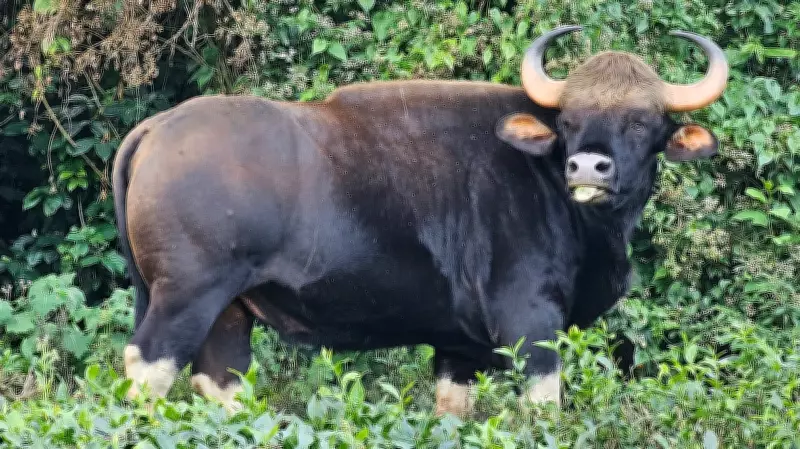
Tragic Indian Gaur Attack Claims Life in Karnataka's Kalasa Region
A devastating incident unfolded in the Kalasa region of Karnataka, where a 55-year-old plantation worker lost his life after being attacked by an Indian gaur. The victim, identified as Manjunath, was working in a coffee plantation when the wild animal, also known as the Indian bison, charged at him, resulting in fatal injuries.
Details of the Fatal Encounter
The attack occurred in the early hours of the morning while Manjunath was tending to the plantation. Witnesses reported that the Indian gaur, a large bovine species native to South and Southeast Asia, emerged suddenly from the forested area adjacent to the plantation. Despite attempts to flee, Manjunath was unable to escape the animal's aggressive charge. He sustained severe injuries and was pronounced dead at the scene by local authorities.
Growing Human-Wildlife Conflict in the Region
This tragic event underscores the escalating issue of human-wildlife conflict in Karnataka, particularly in areas like Kalasa where agricultural and plantation activities border forest reserves. Indian gaurs, which are protected under wildlife laws, are increasingly venturing into human settlements in search of food and water, leading to dangerous encounters. Local residents have expressed concerns about the lack of adequate safety measures and the need for better wildlife management strategies to prevent such incidents.

Response from Authorities and Community
Following the attack, forest department officials and police were dispatched to the site to investigate the incident and ensure public safety. Authorities have advised plantation workers and residents to exercise caution, especially during early morning and late evening hours when wildlife activity is higher. The community has called for increased patrolling and the installation of warning systems to alert people of animal presence. This incident has sparked discussions on balancing conservation efforts with human safety in regions prone to wildlife intrusions.
Broader Implications for Wildlife Conservation
The death of Manjunath highlights the complex challenges faced in managing human-wildlife interactions. While Indian gaurs are an important part of the ecosystem, their protection must be balanced with measures to safeguard human lives. Experts suggest that long-term solutions, such as creating buffer zones, improving habitat connectivity, and implementing community-based conservation programs, are essential to mitigate conflicts. This tragedy serves as a stark reminder of the urgent need for collaborative efforts between government agencies, conservationists, and local communities to address these issues effectively.






