

A significant legislative proposal in the Indiana statehouse is poised to reshape the educational landscape of Indianapolis. The bill, known as HB 1423, seeks to transfer substantial authority from the current elected school board to the city's mayor, marking a potential turning point in how public and charter schools are managed.
Core Provisions of the Proposed Legislation
The legislation, based on recommendations from the Indianapolis Local Education Alliance (ILEA), focuses on two primary areas: overhauling school governance and ensuring universal student transportation. It follows months of public discussion involving parents, educators, and community members with diverse viewpoints on the city's school system.
A New Governing Body: The Indianapolis Public Education Corporation
HB 1423 calls for the creation of a new nine-member Indianapolis Public Education Corporation, with all members appointed by the mayor. This corporation would assume control of school property and be tasked with developing a comprehensive transportation plan for every student within IPS boundaries. According to reports, the appointed members would include three charter school leaders, three IPS commissioners, and three individuals with expertise in facilities, transportation, logistics, or working with vulnerable students.

Each member would serve a four-year term and be eligible for reappointment. The mayor is required to complete all appointments by June 1, 2026.
Universal Transportation and Financial Power Shift
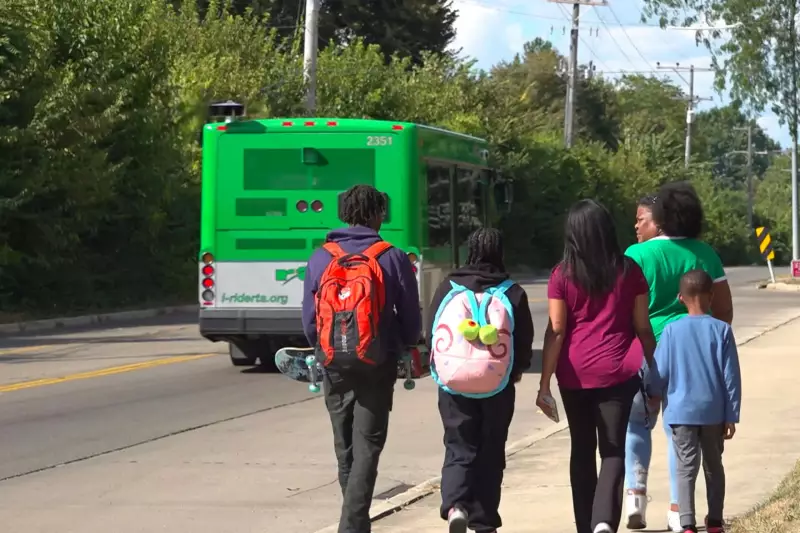
A key mandate of the bill is to require every school within IPS boundaries, including charter schools, to provide student transportation. Currently, fewer than half of independent charter schools offer bus services. This move aims to guarantee equal access to education for all students.
Financially, the proposal represents a major shift. The new corporation would take over critical fiscal powers from the IPS school board, including the authority to levy property taxes, issue debt, and seek voter-approved tax increases for operational or capital needs. While IPS would retain funds from referendums passed in 2018 and 2023, the corporation would develop a formula to distribute property tax revenue to individual schools.
Impact on Charter and Low-Performing Schools
The bill also seeks to streamline charter school authorizers within IPS, limiting them to the mayor's office, the Indiana Charter School Board, and the IPS school board. Schools under other authorizers could continue until their existing charters expire.
Furthermore, the corporation would establish a unified enrollment system and a single school performance framework. This framework would evaluate schools based on academics, discipline, enrollment, property condition, finances, and governance. Chronically low-performing schools could face closure under this new system.
Despite these sweeping changes, local school boards would retain responsibility for day-to-day operations, staff hiring and firing, and crafting individual school budgets. However, major decisions concerning property, transportation, and overarching finances would move to the new mayoral-appointed corporation.
Legislative Pathway and Next Steps
The bill's journey through the legislature is now underway. HB 1423 is scheduled for discussion in the House Education Committee on Monday at 9:30 a.m., led by Rep. Bob Behning. If it clears the committee, it will proceed to a full House vote and then move to the Senate. The proposal may undergo amendments during the session, with questions already arising about the concentration of appointment power with the mayor.
The coming weeks will be crucial in determining whether this substantial restructuring of Indianapolis's school governance becomes law, with potential effects felt as early as the next few months.






