Contractual Roadways Staff in Jalandhar Stage Protest for Job Regularization
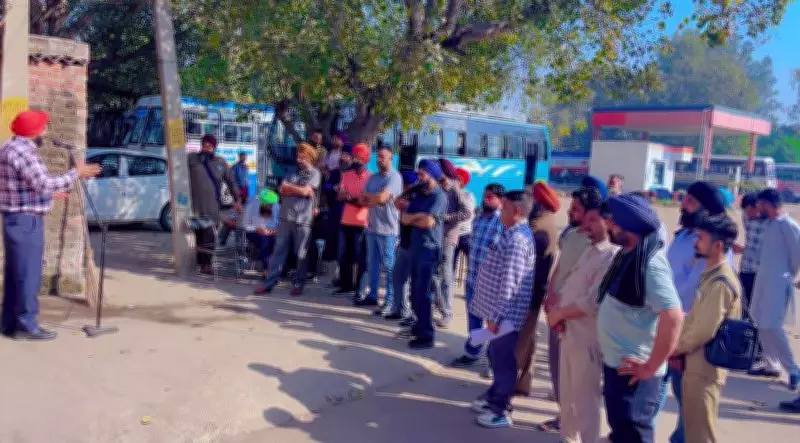
Contractual employees of Punjab Roadways in Jalandhar organized a significant protest on Thursday, demanding the regularization of their positions and improved working conditions. The demonstration, held outside the local transport office, highlighted the ongoing struggles faced by temporary workers in the state-run transport sector.
Key Demands of the Protesting Staff
The protesting staff, who have been employed on a contractual basis for several years, presented a list of demands to the authorities. Their primary request is the conversion of their temporary roles into permanent, regularized jobs, which would provide them with job security and standard employment benefits.
Additional demands include:- Implementation of fair wage structures comparable to permanent employees
- Access to provident fund and pension schemes
- Improved health insurance and other social security measures
- Better working hours and conditions to ensure safety and efficiency
Impact on Transport Services and Public Response
The protest caused minor disruptions to local bus services in Jalandhar, with some delays reported as staff gathered to voice their grievances. However, the demonstrators emphasized that their action was peaceful and aimed at drawing attention to their plight without severely affecting commuters.

Public reaction has been mixed, with many residents expressing sympathy for the workers' demands for stable employment, while others raised concerns about potential service interruptions. The protest underscores broader issues of contractual labor in government sectors across Punjab.
Authorities' Response and Future Steps
Transport officials in Jalandhar acknowledged the protest and stated that they are reviewing the staff's demands. A spokesperson mentioned that the matter has been escalated to higher authorities in the Punjab government for consideration, given the financial and policy implications of regularizing a large number of contractual positions.
The employees have threatened to escalate their protest if their demands are not addressed promptly, potentially leading to more widespread actions in the coming weeks. This situation reflects ongoing tensions in the region's labor market, where contractual employment remains a contentious issue.