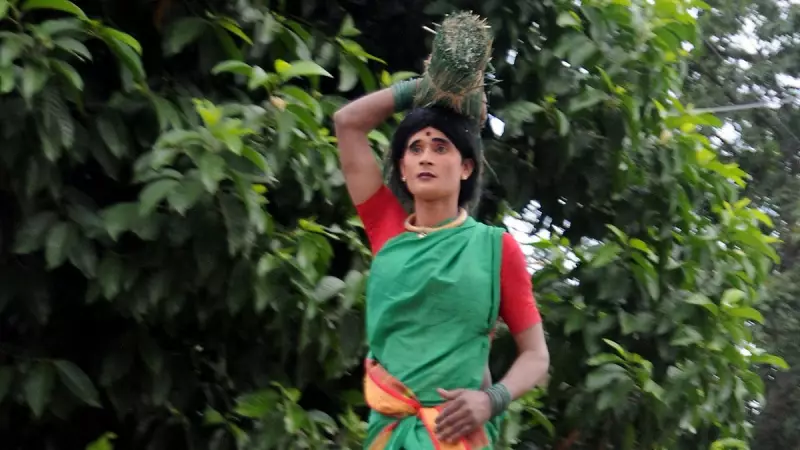
The Janata Dal (Secular), a key political player in Karnataka, is set for a visual identity overhaul. Party sources have confirmed plans to modify its official election symbol, a move seen as both a nod to its roots and a potential strategic shift ahead of future electoral battles.
The Nature of the Change: Blending Heritage with Identity
According to insiders, the proposed redesign involves a significant addition. The party intends to incorporate the 'wheel' from its earlier avatar as the Janata Dal into its current symbol. The existing symbol, recognized by the Election Commission of India, features a woman farmer carrying a heap of paddy on her head. The new design will see this iconic wheel integrated with the farmer emblem, creating a hybrid symbol.
This decision was reportedly finalized in early January 2026. The news first came to light on 09 January 2026, indicating recent and deliberate deliberations within the party's top leadership. The change is not merely cosmetic; it is laden with political messaging aimed at the party's core voter base and its historical lineage.

Decoding the Symbolism: More Than Just a Logo
The choice of symbols is deeply strategic. The woman farmer represents the JD(S)'s strong agrarian support base, particularly in the Old Mysuru region of Karnataka. It underscores the party's long-standing connection with the state's rural and farming communities.
The addition of the Janata Dal wheel, however, adds a new layer of meaning. The wheel is a classic symbol of progress, movement, and the party's socialist legacy from the broader Janata Parivar. By merging the two, the JD(S) appears to be sending a dual message: it is reaffirming its commitment to its traditional rural electorate while simultaneously invoking its pan-India political heritage. This could be interpreted as an attempt to broaden its appeal beyond its regional stronghold and position itself as a party with a national vision rooted in socialist principles.
Political Implications and Future Prospects
The timing and nature of this rebranding effort raise important questions. Is this a symbolic gesture to energize the party cadre and reconnect with its foundational ideology? Or is it a calculated move signaling a change in political strategy and alliances?
Analysts suggest this could be a step to strengthen the party's identity amidst a highly competitive political landscape in Karnataka. By visually reconnecting with the Janata Dal legacy, the JD(S) may be aiming to consolidate voters who identify with the broader anti-BJP, secular, and socialist political space. The move might also be seen as an effort to distinguish itself clearly from other regional and national parties ahead of crucial state or national elections.
While the official notification from the Election Commission regarding the formal adoption of the tweaked symbol is awaited, the party's intent is clear. The JD(S) is betting on a blend of nostalgia and identity to carve out its future political path. Whether this symbolic change translates into improved electoral prospects remains to be seen, but it undoubtedly marks a significant moment in the party's evolving narrative.