

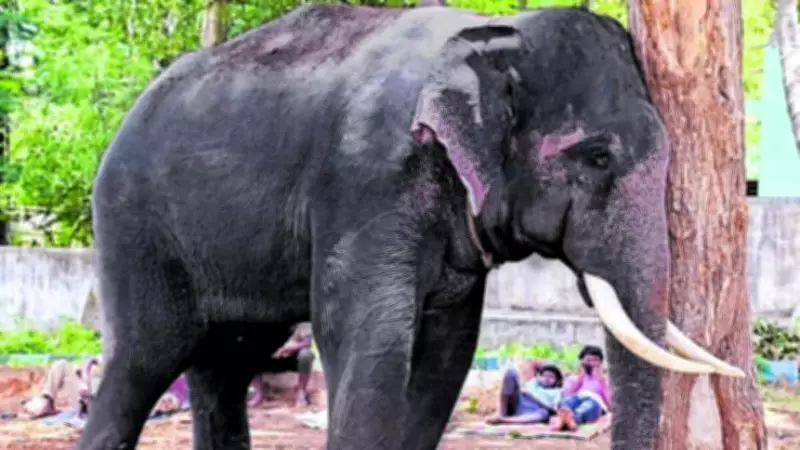
Kanjan, a man widely recognized for his expertise in capturing wild elephants, has come under intense scrutiny following a tragic incident at Dubare in Karnataka. The incident, which resulted in the death of a mahout, has raised questions about the methods employed during elephant captures and the safety protocols in place.
The Dubare Tragedy
The tragedy occurred at the Dubare elephant camp, a popular destination for elephant training and tourism. During an operation to capture a wild elephant, a mahout was fatally injured. The incident has sparked a debate about the risks involved in such operations and the accountability of those in charge.
Kanjan, who has been involved in numerous elephant captures across Karnataka, is known for his hands-on approach and deep understanding of elephant behavior. However, critics argue that his methods may be outdated or overly aggressive, leading to unnecessary risks for both elephants and handlers.

Scrutiny and Investigation
Following the tragedy, the Karnataka Forest Department has launched an investigation into the incident. The probe aims to determine the exact cause of the mahout's death and whether any negligence or procedural lapses occurred. Kanjan's role in the operation is being closely examined, and he has been asked to cooperate with the authorities.
Wildlife experts and animal rights activists have called for a review of the standard operating procedures for elephant captures. They emphasize the need for modern, humane methods that prioritize the safety of both animals and humans. Some have suggested that the use of tranquilizers and remote monitoring should be preferred over physical confrontation.
Kanjan's Background
Kanjan has a long history of working with elephants, particularly in the Coorg and Mysore regions. He has been praised for his ability to track and capture rogue elephants that pose a threat to human settlements. However, his methods have occasionally drawn criticism from conservationists who advocate for non-invasive techniques.
Despite the controversy, Kanjan remains a respected figure in the forestry circles. His supporters argue that his practical experience is invaluable in dealing with complex elephant situations where quick decisions are necessary. They caution against rushing to judgment before the investigation is complete.
Way Forward
The Dubare tragedy has highlighted the need for a balanced approach to wildlife management. While capturing wild elephants is sometimes necessary to protect both humans and animals, it must be done with the utmost care and professionalism. The forest department is expected to issue new guidelines to prevent similar incidents in the future.
As the investigation continues, the focus remains on ensuring justice for the deceased mahout and improving safety standards. Kanjan's future involvement in elephant captures may depend on the findings of the probe and the subsequent policy changes.






