Chaos Erupts in Karnataka Assembly Over Allegations of Political Snooping and External Instructions
A major political storm has engulfed the Karnataka Legislative Assembly, leading to significant disruptions and heated exchanges between the ruling Congress and the opposition Bharatiya Janata Party (BJP). The session descended into chaos as both parties leveled serious allegations against each other, creating a tense atmosphere in the state's legislative body.
BJP Accuses Government of Snooping on Governor's Office
The Bharatiya Janata Party raised explosive allegations during the assembly proceedings, questioning whether the state government has been engaging in surveillance activities targeting the Governor's office. BJP legislators demanded immediate clarification from the ruling Congress party regarding potential unauthorized monitoring of constitutional authorities, suggesting a breach of established protocols and democratic norms.
Congress Counters with Claims of Delhi Instructions to Governor
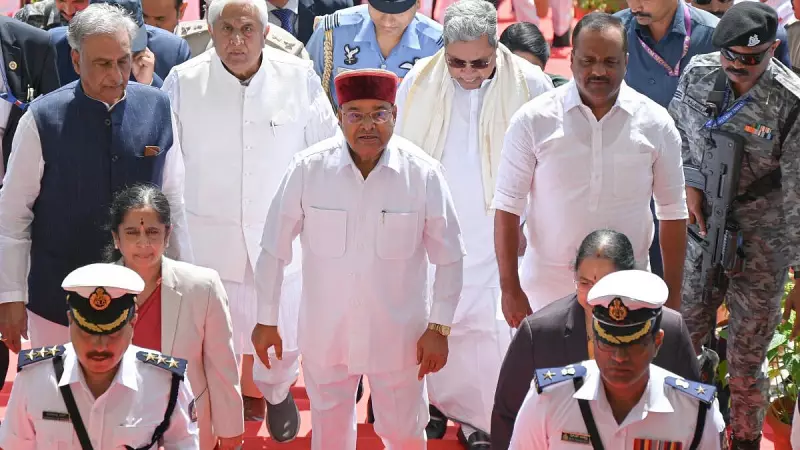
In a dramatic counter-allegation, Congress members claimed that Governor Thaawar Chand Gehlot has been receiving direct instructions and guidance from political authorities in Delhi. This assertion sparked immediate controversy, with opposition members questioning the autonomy of the Governor's office and suggesting external interference in state affairs.

IT/BT Minister Priyank Kharge's Intervention and RSS Headquarters Allegation
Karnataka's Information Technology and Biotechnology Minister Priyank Kharge intervened in the heated debate, making additional claims that further escalated the political confrontation. Minister Kharge charged that phone calls have been originating from Keshava Krupa, which serves as the Karnataka headquarters of the Rashtriya Swayamsevak Sangh (RSS), suggesting potential political coordination beyond official channels.
The minister's statement added another layer to the already complex political drama, bringing the role of ideological organizations into the legislative discussion. This intervention highlighted the deepening political divisions within the state assembly and raised questions about the sources of political influence affecting governance.
Broader Implications for Karnataka Politics and Constitutional Functioning
The assembly ruckus has significant implications for several key areas:
- Constitutional Relations: The allegations have strained the relationship between the state government and the Governor's office, potentially affecting the smooth functioning of constitutional mechanisms in Karnataka.
- Political Trust: The exchange of serious accusations has further eroded political trust between the ruling and opposition parties, making legislative cooperation more challenging.
- Democratic Norms: Questions have been raised about adherence to established democratic protocols and the boundaries of political engagement between different constitutional offices.
- External Influences: The discussion has brought attention to potential external influences on state politics, whether from national political centers or ideological organizations.
The political confrontation in the Karnataka Assembly represents a significant escalation in the ongoing tensions between the state's major political parties. As allegations of surveillance, external instructions, and organizational influences continue to dominate legislative discussions, the episode underscores the increasingly complex political dynamics shaping governance in one of India's most politically significant states.