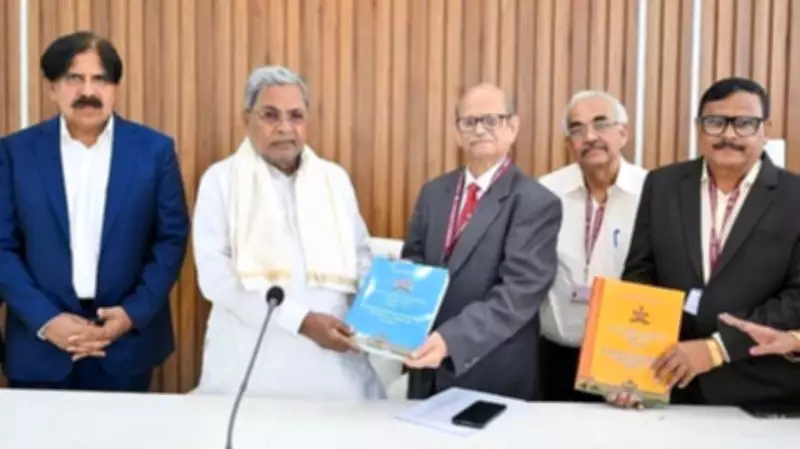
A recent report on Karnataka's regional imbalances has stirred significant concerns and ignited a heated policy debate across the state. The findings, released by the Karnataka Regional Imbalances Redressal Committee, highlight stark disparities in development that have prompted calls for urgent governmental action.
Detailed Classification of Taluks Reveals Stark Contrasts
The committee conducted a comprehensive analysis of all 236 taluks in Karnataka, categorizing them into four distinct groups based on their level of development. This classification aims to provide a clear picture of the state's socio-economic landscape and identify areas requiring immediate attention.
Breakdown of Categories
The report divides the taluks as follows:

- 59 taluks are labeled as 'most backward', indicating severe underdevelopment and critical need for intervention.
- 59 taluks are categorized as 'more backward', showing significant gaps in infrastructure and services.
- 59 taluks are classified as 'backward', highlighting moderate developmental challenges.
- The remaining 59 taluks are deemed 'developed', representing areas with relatively better progress and facilities.
Implications for Policy and Governance
This classification has profound implications for Karnataka's policy framework. It underscores the need for targeted strategies to address regional imbalances, ensuring equitable growth across all taluks. The report's findings are expected to influence future budgetary allocations and development programs.
Public and Political Reactions
The release of the report has sparked widespread discussion among policymakers, experts, and the public. Many are calling for a renewed focus on inclusive development, while debates center on the effectiveness of past initiatives and the path forward.
As Karnataka grapples with these revelations, the state government faces mounting pressure to implement corrective measures. The report serves as a crucial tool for understanding regional disparities and crafting policies that foster balanced progress, ultimately aiming to uplift the backward taluks and bridge the development gap.