Karnataka Cabinet Reviews Special Intensive Revision of Voter Rolls
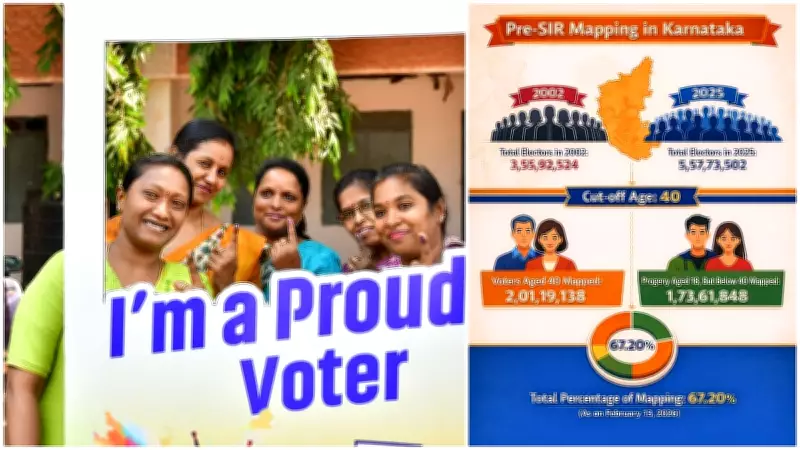
The Karnataka Cabinet, led by Chief Minister Siddaramaiah, has taken a significant step by asking the state's law department to conduct a thorough study of the proposed Special Intensive Revision (SIR) of electoral rolls. This move comes as the revision has already mapped an impressive 3.74 crore voters in the state, a figure that is being compared against the electoral rolls from 2002 to ensure accuracy and inclusivity.
Cabinet Directive on SIR Study
In a recent meeting, the Cabinet specifically instructed the law department to delve into the "various issues and consequences" associated with the SIR. This directive highlights the government's cautious approach, aiming to address potential challenges before full implementation. The study is expected to provide recommendations that could shape the future of voter registration processes in Karnataka, ensuring they are fair, transparent, and efficient.
Mapping of Voters Against Historical Data
The SIR initiative has successfully identified 3.74 crore voters, a substantial number that reflects the state's growing electorate. By comparing this data with the 2002 electoral rolls, authorities are working to eliminate discrepancies, update records, and include eligible voters who may have been missed in previous revisions. This process is crucial for maintaining the integrity of elections and fostering democratic participation.
Key aspects of the SIR include:
- Comprehensive voter mapping to cover all regions of Karnataka.
- Analysis of demographic changes since 2002 to account for population shifts.
- Focus on addressing issues like duplicate entries and outdated information.
Implications for Governance and Elections
The Cabinet's decision to review the SIR underscores its importance in the political landscape of Karnataka. With elections on the horizon, accurate voter rolls are essential for ensuring that every citizen's voice is heard. The study by the law department will likely explore legal and administrative ramifications, helping to streamline the revision process and mitigate any negative impacts on electoral fairness.
As this development unfolds, it is set to influence not only upcoming elections but also long-term governance strategies in the state, emphasizing transparency and accountability in electoral management.