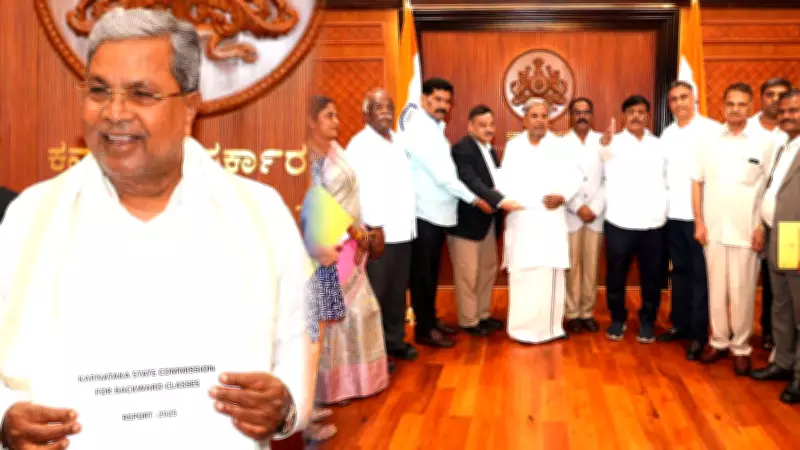
Karnataka politics has entered a fresh phase of uncertainty after Chief Minister Siddaramaiah received the long-awaited caste census report amid intense speculation over a possible leadership transition in the Congress government.
Key Findings of the Caste Census
The report, prepared by the Karnataka State Backward Classes Commission, reportedly identifies Muslims as the largest community in the state at nearly 14 per cent, followed by Veerashaiva-Lingayats, Vokkaligas, and Kurubas. These findings are expected to have major implications for reservation policies, caste-based representation, and the internal power dynamics within the Congress party.
Political Implications
The timing of the report has become politically significant. Deputy Chief Minister D.K. Shivakumar is widely viewed as a leading contender in the event of a leadership change. While Siddaramaiah’s political strategy has revolved around the AHINDA coalition—which includes minorities, backward classes, and Dalits—Shivakumar remains the Congress party’s strongest Vokkaliga face in Karnataka. Political observers believe the caste data could influence future decisions on cabinet representation, electoral strategy, and the ongoing debate over Karnataka’s leadership transition.

The release of the caste census has intensified discussions about the balance of power within the state government. Siddaramaiah, who has been at the helm, may face pressure to step aside as the Congress high command weighs the electoral benefits of promoting a Vokkaliga leader to consolidate support ahead of upcoming polls. The report provides empirical evidence that could reshape reservation quotas and impact the political fortunes of various communities.
As the Congress party navigates these developments, all eyes are on the high command’s next move. The caste census report is not merely a statistical exercise but a political document that could redefine Karnataka’s socio-political landscape.