In a significant pre-budget consultation, the Karnataka government has formally appealed to the Union government for urgent fiscal support, warning of a severely constrained financial capacity. The plea was made during the Union Pre-Budget Meeting for the financial year 2026-27 held in Delhi on Saturday.
Memorandum Highlights Fiscal Stress Points
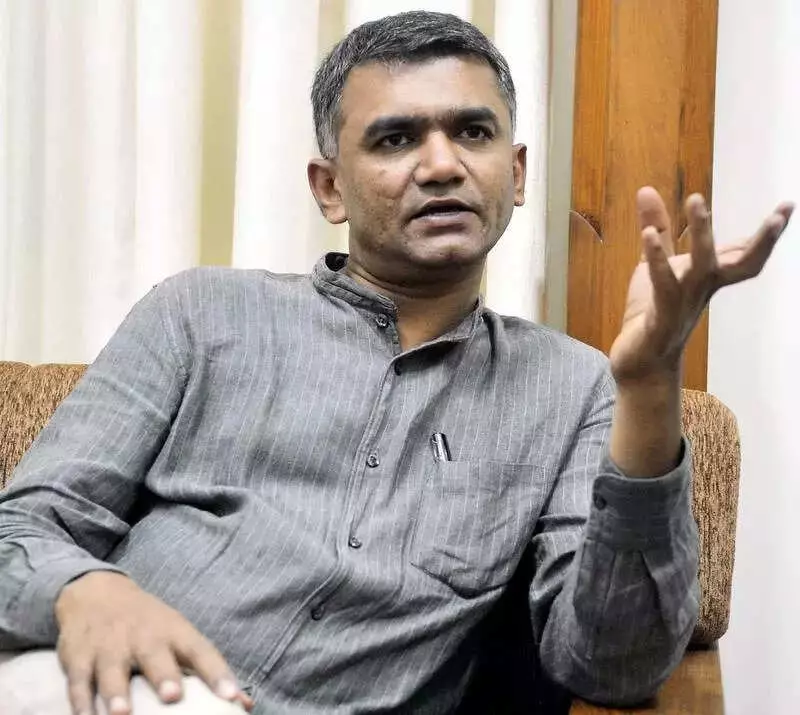
Revenue Minister Krishna Byre Gowda, representing the state, presented a detailed memorandum to Union Finance Minister Nirmala Sitharaman. The document outlined multiple pressures squeezing the state's finances. A statement from the Chief Minister's Office quoted Gowda asserting that Karnataka remains a major contributor to national growth but is now grappling with a shrinking fiscal space.
The minister attributed this strain to a combination of factors: changes in the GST regime, escalating social sector commitments, frequent climate shocks, and the rapid pace of urbanisation. He emphasised that the responsibilities assigned to states have expanded at a much faster rate than their revenue streams, creating an unsustainable imbalance that requires corrective measures in the upcoming central budget.

Key Demands: Employment Scheme & GST Compensation
A major point of contention raised was the impact of the central government's shift from the Mahatma Gandhi National Rural Employment Guarantee Act (MGNREGA) to the Viksit Bharat Guarantee for Rozgar and Ajivika Mission (Gramin), or VB-G RAM G scheme. Gowda flagged that moving from a demand-driven to an allocation-based model has reduced effective employment days for workers.
He provided a stark financial projection, warning that to sustain the previous level of 13 crore person-days of work, Karnataka would now need approximately Rs 2,000 crore, a sum he described as "fiscally unsustainable" for the state. The minister sought a reconsideration of the scheme's design, a restoration of the demand-driven employment guarantee, and adequate, uncapped central funding.
On the Goods and Services Tax (GST) front, Gowda presented alarming data. He stated that Karnataka's GST growth rate has declined sharply from 12% to just 5%. This slowdown has resulted in a revenue shortfall of Rs 5,000 crore for the current year and is projected to cause an annual gap of Rs 9,000 crore. To mitigate this, he requested the Centre to institute a robust revenue protection mechanism for states, ensuring full compensation for losses akin to the earlier GST compensation cess regime.
Additional Appeals for Revenue and Grants
The memorandum included several other critical requests aimed at improving the state's financial health. Gowda called for a 50:50 sharing of the excise duty collected on tobacco and the cess on pan masala, arguing it is inequitable for these proceeds to remain outside the divisible tax pool that is shared with states.
He also highlighted operational delays, pointing out pending central releases under the Jal Jeevan Mission. The minister sought additional support for the agriculture sector through a price deficiency payment scheme, enhanced central contributions for the honorarium of frontline workers, and the expeditious release of pending Finance Commission grants.
Concluding the appeal, Gowda reiterated Karnataka's commitment to fiscal discipline and contributing to national growth. He urged that the Union Budget for 2026-27 take concrete steps to restore fiscal balance, predictability, and trust between the Centre and the states.