Karnataka's Withholding of Funds Puts Tungabhadra Dam Crest Gate Works at Risk
The ongoing renovation of the crest gates at the historic Tungabhadra Dam has hit a major roadblock due to the withholding of allocated funds by the Karnataka government. This critical infrastructure project, essential for the dam's structural integrity and efficient water management, now faces potential crippling delays that could impact agricultural and domestic water supply in the region.
Project Overview and Current Status
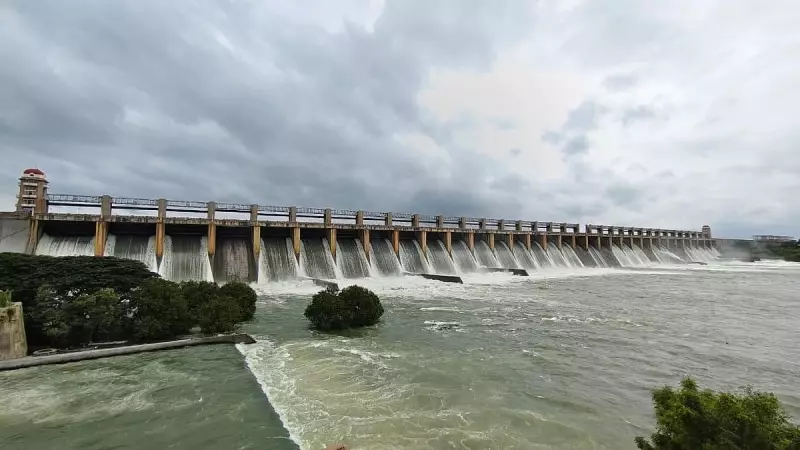
The Tungabhadra Dam, a vital water resource spanning Karnataka and Andhra Pradesh, requires urgent upgrades to its crest gates to ensure safety and functionality. These gates play a pivotal role in regulating water flow, preventing floods, and maintaining reservoir levels. The renovation works, initiated to address wear and tear from decades of use, have been progressing slowly but are now threatened by financial constraints.
According to reports, the Karnataka government has delayed the release of funds earmarked for this project, citing budgetary pressures and administrative hurdles. This withholding has led to a slowdown in construction activities, with contractors and workers facing uncertainty over the project's timeline. The dam's authorities have expressed concern that further delays could compromise the structure's ability to handle monsoon seasons effectively.

Implications for Water Management and Agriculture
The Tungabhadra Dam is a lifeline for farmers in the surrounding areas, providing irrigation for thousands of hectares of farmland. Any disruption in the crest gate works could lead to inefficient water distribution, affecting crop yields and livelihoods. Additionally, the dam serves domestic water needs for several towns and villages, making its proper functioning a matter of public welfare.
- Risk of Structural Issues: Delayed repairs may exacerbate existing weaknesses in the gates, potentially leading to operational failures during high-water periods.
- Economic Impact: Agricultural productivity in the region could suffer if water management is not optimized, impacting local economies.
- Safety Concerns: Inadequate gate functionality raises the risk of flooding or water shortages, posing safety hazards to nearby communities.
Stakeholder Responses and Future Outlook
Officials involved in the project have urged the Karnataka government to expedite the release of funds to avoid a complete halt in works. They emphasize that timely completion is crucial for the dam's long-term sustainability and the region's water security. Meanwhile, local communities and environmental groups are calling for transparency and accountability in the fund allocation process.
- Immediate Actions Needed: Authorities must prioritize funding to resume full-scale construction and meet project deadlines.
- Monitoring and Oversight: Enhanced oversight mechanisms could ensure that funds are utilized efficiently and without further delays.
- Collaborative Efforts: Coordination between Karnataka and Andhra Pradesh governments might help address cross-border water management challenges arising from the dam's condition.
In summary, the withholding of funds by Karnataka poses a significant threat to the Tungabhadra Dam crest gate renovation, with far-reaching consequences for water management, agriculture, and public safety. Swift resolution of this financial impasse is essential to safeguard this critical infrastructure and support the region's development.