Karnataka Governor Approves 10 Bills, Withholds Ballot Paper Legislation
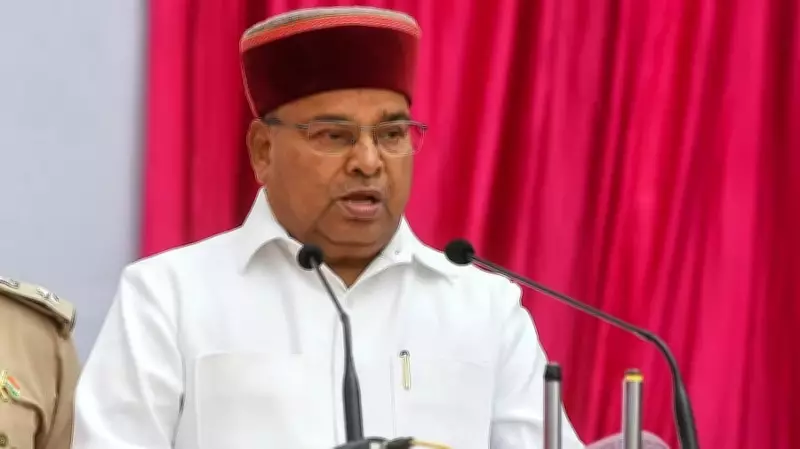
In a significant development in Karnataka's legislative process, Governor Thaawarchand Gehlot has given his assent to 10 out of 11 bills that were passed by the state legislature. The sole bill withheld from approval is the Karnataka State Election Commission (Amendment) Bill, 2024, which proposed the use of ballot papers in local body elections instead of electronic voting machines (EVMs).
Details of the Approved Bills
The 10 bills that received the governor's assent cover a diverse range of sectors, reflecting the state government's legislative priorities. These include measures related to urban development, education, and public welfare. The clearance of these bills is expected to facilitate the implementation of various state policies and programs, potentially impacting governance and service delivery across Karnataka.
Controversy Over the Withheld Ballot Paper Bill
The Karnataka State Election Commission (Amendment) Bill, 2024, which was passed by the state legislature, aimed to amend the Karnataka State Election Commission Act to mandate the use of ballot papers in elections for local bodies such as municipalities and panchayats. This proposal had sparked considerable debate, with proponents arguing for enhanced transparency and critics questioning the logistical feasibility and security of reverting to paper ballots.

Governor Gehlot's decision to withhold assent to this bill has drawn attention to the ongoing discussions around electoral reforms and the use of technology in voting processes. The move aligns with broader national trends where the use of EVMs remains standard, despite occasional calls for alternative methods.
Implications for State Governance
The approval of the 10 bills is likely to bolster the state government's administrative agenda, enabling progress on key initiatives. However, the withholding of the ballot paper bill may lead to further legislative review or revisions, as the state government considers its next steps. This development underscores the dynamic interplay between state legislatures and gubernatorial offices in shaping policy outcomes.
Observers note that such decisions can influence electoral strategies and public trust in democratic processes, making this a noteworthy event in Karnataka's political landscape. The state's approach to this issue may set precedents for other regions grappling with similar debates over voting technology.