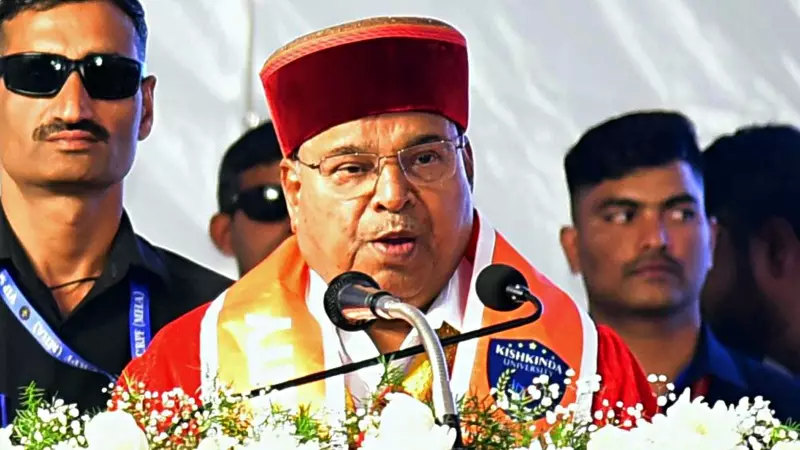
In a significant development in Karnataka's political landscape, Governor Thaawarchand Gehlot has formally sought the removal of eleven specific paragraphs from his upcoming address to the state legislative assembly. This move mirrors recent actions taken by the governors of Tamil Nadu and Kerala, highlighting a growing trend of gubernatorial intervention in state legislative proceedings across South India.
Following the Precedent Set by Neighboring States
The decision by Governor Gehlot comes in the wake of similar controversies in Tamil Nadu and Kerala, where governors R.N. Ravi and Arif Mohammed Khan, respectively, made headlines by omitting portions of their customary addresses. These actions have sparked debates on the constitutional roles and boundaries of governors in India's federal structure, particularly concerning their relationship with elected state governments.
Details of the Requested Omissions
While the exact content of the eleven paragraphs targeted for removal has not been publicly disclosed in full detail, sources indicate they pertain to sections of the address that outline the state government's policies, achievements, and legislative agenda. The governor's office has cited procedural and substantive reasons for the request, though the ruling government in Karnataka views this as an unprecedented encroachment on its executive authority.

The customary governor's address at the beginning of a legislative session is a formal statement prepared by the state government, outlining its vision and plans. Traditionally, governors deliver this address without alteration, making Gehlot's request a notable departure from convention.
Political and Constitutional Implications
This incident raises important questions about the governor's discretionary powers under the Indian Constitution. Legal experts are divided, with some arguing that governors have the authority to modify addresses if they contain contentious or inaccurate information, while others contend that such actions undermine the democratic mandate of elected governments.
The situation in Karnataka is further complicated by the state's coalition politics, with the Congress party currently in power. Opposition parties have seized upon the issue, calling for clarity and transparency regarding the governor's motives and the specific content he wishes to exclude.
Broader Context in South Indian States
The pattern of governors in Tamil Nadu, Kerala, and now Karnataka seeking to alter their assembly addresses suggests a regional political dynamic that may reflect tensions between the central government, which appoints governors, and state governments led by parties opposed to the ruling party at the national level. This has led to accusations of governors acting as political instruments rather than neutral constitutional figures.
Observers note that such disputes could set precedents affecting gubernatorial conduct across India, potentially leading to legal challenges or calls for reforms in the appointment and functioning of governors.
Reactions from Stakeholders
Reactions to Governor Gehlot's move have been mixed. Supporters argue that it is within his constitutional rights to ensure the address aligns with factual accuracy and legal propriety. Critics, however, see it as an attempt to stifle the state government's narrative and an overreach of authority.
- The Karnataka government has expressed disappointment, emphasizing that the address reflects the will of the people as expressed through democratic elections.
- Constitutional scholars are urging dialogue to resolve the impasse, warning that prolonged conflicts could disrupt legislative functioning.
- Civil society groups have called for greater accountability and transparency in gubernatorial decisions to maintain public trust in democratic institutions.
As the situation unfolds, all eyes are on Karnataka to see how this constitutional and political standoff will be resolved, with potential implications for federal relations in India.