Karnataka Governor's Unread Speech Exposes Federal Tensions Over Key Legislation
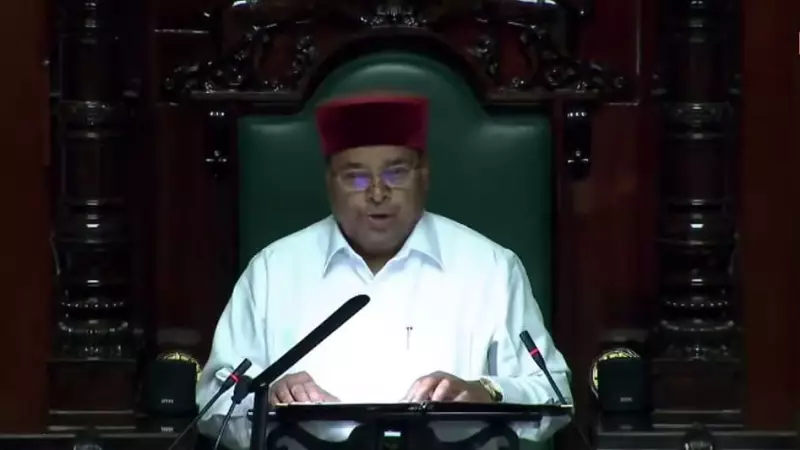
In a significant political development, Karnataka Governor's recent address to the state assembly has drawn attention due to a substantial portion that remained unread. The omitted sections of the speech have now come to light, revealing critical observations about the state's position within India's federal structure. This unread content specifically highlighted how Karnataka faces what it describes as "a suppressive situation in economic and policy matters" under the current federal arrangement.
Contrasting MGNREGA with VB-G RAM G Act
The speech provided a detailed comparison between two major legislative frameworks: the Mahatma Gandhi National Rural Employment Guarantee Act (MGNREGA) and the VB-G RAM G Act. While MGNREGA is a centrally sponsored scheme aimed at providing livelihood security in rural areas, the VB-G RAM G Act represents state-specific initiatives. The unread portion elaborated on how these differing approaches reflect broader tensions in policy implementation and resource allocation between state and central governments.
Key Highlights of the Omitted Speech Content
The sections that Governor Gehlot did not read aloud contained several important points that have since sparked discussion among political observers and policymakers. These highlights include:

- A stark assessment of Karnataka's economic challenges within the federal framework, suggesting constraints on state autonomy.
- Detailed analysis of how central schemes like MGNREGA interact with state-specific legislation such as the VB-G RAM G Act.
- Observations about policy coordination issues between different levels of government.
- Concerns about resource distribution and decision-making powers in key development areas.
Implications for Federal Relations
This revelation comes at a time when discussions about center-state relations are particularly relevant in Indian politics. The characterization of "suppressive situation" in economic and policy matters suggests deeper structural issues in how federalism operates in practice. The speech's content indicates that Karnataka's leadership perceives significant limitations in their ability to pursue independent economic policies and implement legislation tailored to local needs.
The contrast between MGNREGA as a national program and the VB-G RAM G Act as state legislation serves as a concrete example of these federal dynamics. The unread speech portions suggest that such differences in approach may create implementation challenges and affect the state's development trajectory.
Political Context and Reactions
The decision to omit these sections from the official reading has raised questions about political messaging and transparency. While governors' addresses typically reflect the government's position, the unread content presents a more critical perspective on federal relations than what was publicly delivered. This situation has prompted discussions about:
- The role of constitutional offices in representing state interests
- The balance between diplomatic communication and frank assessment
- How federal challenges are addressed in official state communications
As Karnataka continues to navigate its position within India's federal structure, the revelations from this unread speech highlight ongoing tensions in economic policymaking and intergovernmental relations. The contrast between MGNREGA and the VB-G RAM G Act serves as a specific manifestation of these broader challenges, with implications for development outcomes and political dynamics in the state.